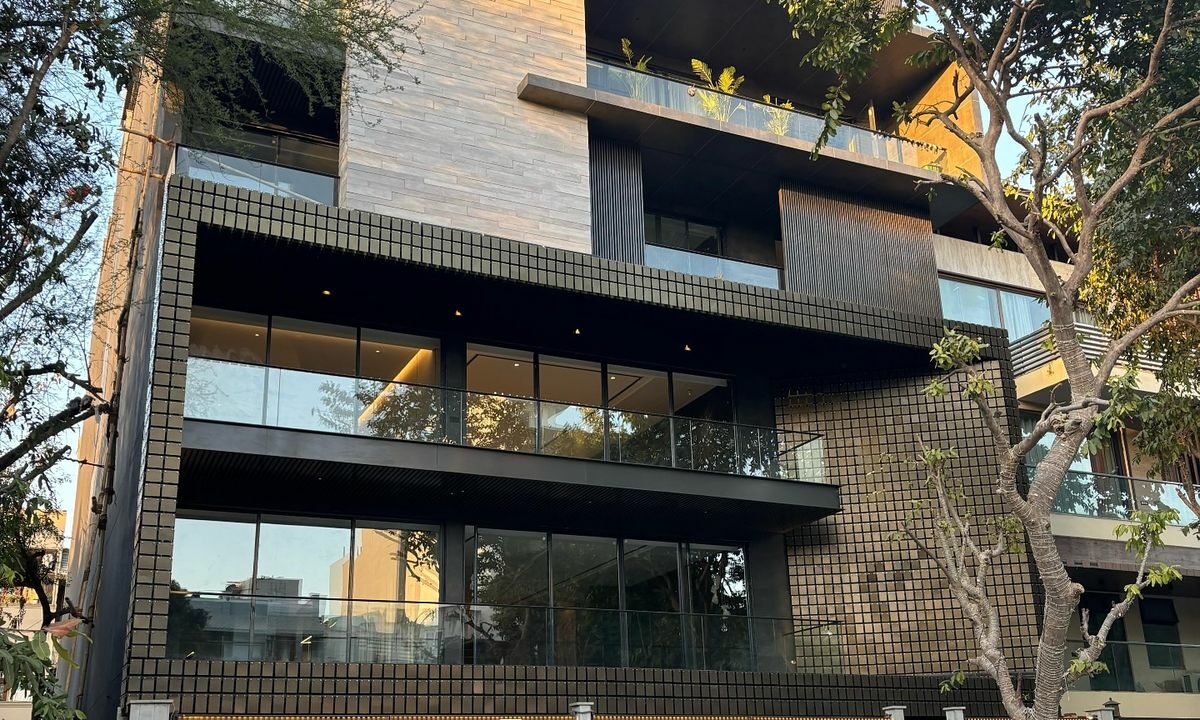
Payment Plans & Financing for Builder Floors Under 4 Crore in Gurgaon

builder floors under 4 crore are a practical choice for financially minded buyers in Gurgaon who want ownership without high-rise complications. This guide explains how 40:60 payment plans work, how Construction-Linked Payment (CLP) models differ, and what banks evaluate when you apply for a home loan for a floor. It focuses on cashflow planning, risk reduction, and loan-readiness for Financial Planning Buyers.
How payment plans work for builder floors under 4 crore in Gurgaon
When you evaluate a builder floor priced under 4 crore, the payment plan governs monthly cash needs, financing structure, and project risk exposure. Therefore, understanding the payment rhythm helps you plan liquidity and loan disbursement.
What a 40:60 payment plan means for builder floors under 4 crore
A typical 40:60 plan requires the buyer to pay 40% of the total consideration during the construction period or at booking and the remaining 60% at possession or linked to defined milestones. This split reduces initial cash outflow compared with higher upfront plans, but it concentrates a large payment near completion.
Timing and cashflow implications for buyer financial planning
Under a 40:60 structure, you must ensure funds or loan eligibility for the 60% final tranche. Consequently, buyers should pre-qualify for a loan and model EMIs well before the possession date. Otherwise, cash strain can lead to last-minute rate negotiations or higher-cost bridging finance.
Understanding 40:60 payment plans
Financial Planning Buyers prefer predictability. A 40:60 plan can offer that, but only if you map milestones, booking amounts, and potential interim payments clearly. Here are the common elements and scenarios to watch.
Booking amount, stage payments, and possession balance
Most agreements include a token booking, followed by staged invoices tied to construction progress. In a pure 40:60 plan, staged payments typically accumulate to the 40% portion. The possession balance—60%—is payable on handover or as per the possession-linked clause.
Variants and blended options
Developers sometimes offer blended variants: for example, paying 40% over construction milestones and the balance as 60% at possession, or a hybrid where part of the 60% is paid during the final construction phases. Each variant affects loan disbursement timing and interest cost to you.
Construction-Linked Payment (CLP) models explained
CLP is a staple for under-construction properties. It ties buyer payments to certified construction milestones. Banks often prefer CLP because disbursements align with work completed, limiting financing risk.
How CLP differs from a straight 40:60 plan
CLP breaks the total payable into multiple short-stage payments linked to foundation, structure, finishing, and handover. In contrast, a 40:60 plan compresses payments into two major tranches. Consequently, CLP reduces the final jump in cash requirement but may require steadier short-term liquidity.
Why CLP can be safer for loan disbursement
Under CLP, lenders disburse against certified progress certificates. As a result, bank risk is lower and disbursement is predictable. Buyers benefit because they avoid paying large sums purely from savings; instead, the bank covers certified stages subject to loan terms.
Bank loan eligibility and practical steps for floors
Loan approval for a builder floor depends on both buyer profile and property credentials. Banks assess income stability, credit history, existing liabilities, and the project’s legal and technical clearances. Preparing documentation and verifying property approvals in advance saves time and reduces last-minute surprises.
What lenders check on your profile
Lenders evaluate salary slips, tax returns, employment continuity, age, and credit score. They also assess your debt-to-income ratio and any existing EMIs. Consequently, maintaining a clean credit record and reasonable leverage improves both the approval odds and the interest rate offered.
What lenders require from the property and the builder
Banks check title clearances, RERA registration (if applicable), approved building plans, and encumbrance status. They prefer projects with clear approvals and visible progress. As a result, floors in projects with proper documentation attract quicker and larger disbursements.
Comparing payment plans, financing, and buyer outcomes
Choosing between 40:60, CLP, or customized payment plans requires comparing cashflow, loan compatibility, and risk exposure. The table below provides a side-by-side view to help you decide based on your financial goals.
| Feature | 40:60 Payment Plan | Construction-Linked Payment (CLP) |
|---|---|---|
| Upfront cash requirement | Moderate — 40% over construction/booking | Lower per stage; cumulative varies |
| Final lump-sum risk | High — 60% at possession | Lower — spread across final stages |
| Loan disbursement ease | Depends on developer and plan; may require bridge funds | Generally smoother — banks disburse against certificates |
| Cashflow predictability | Less predictable near possession | More predictable with certified milestones |
| Suitability for financial planning buyers | Good if loan pre-approved and cash reserved | Better if you prefer staged obligations and bank cover |
Practical checklist for buyers before you sign
Before committing, run this checklist. These practical steps reduce risk, protect capital, and preserve negotiation leverage.
- Verify RERA registration and project approvals.
- Request a detailed payment schedule and milestone definitions.
- Get a written commitment on possession date and penalties for delay.
- Pre-qualify for a home loan and obtain a sanction letter where possible.
- Ask whether the payment plan attracts GST and who bears which charges.
- Confirm whether the 60% possession balance allows bank disbursement or requires owner funds.
- Understand parking, club, and maintenance charges charged separately.
Documents to prepare for a smooth loan process
Organize identity proofs, income proofs, bank statements, tax returns, and property-related documents. Additionally, prepare a detailed statement of your liabilities. Lenders will request these during processing, and delays in submission lengthen approval timelines.
Negotiation levers for financial buyers
Use pre-approval, willingness to pay booking amounts promptly, and multiple payment plan options to negotiate. Developers often adjust milestone definitions or offer reduced charges for quick closures. Consequently, your preparedness can lower effective cost or improve payment flexibility.
Costs beyond the sale price and loan—what to budget for
Buying a floor involves more than the headline price. Budget for closing costs and post-possession expenses. These items influence your total cash requirement and the true monthly cost once the EMI begins.
Common additional charges
- GST on under-construction portions, if applicable.
- Stamp duty and registration fees at transfer.
- Preferential location charges and parking costs.
- Maintenance deposit and transfer of any existing services.
- Brokerage, if paid, and legal fees for title verification.
How these costs affect loan and liquidity
Many of these costs must be paid from your savings since lenders rarely finance GST, stamp duty, or maintenance deposits. Therefore, ensure you have liquid reserves separate from the down payment to avoid borrowing at high short-term rates.
Risk management and common mistakes to avoid
Financial Planning Buyers should treat a floor purchase as part of a broader portfolio. Missteps can erode returns or lead to costly delays.
Common mistakes
- Underestimating the final payment or timing related to a 40:60 plan.
- Assuming bank loan will cover GST or other non-financeable charges.
- Ignoring project approvals or buying based on a verbal developer promise.
- Failing to model EMIs for scenario-based rate increases.
Mitigation strategies
- Get a formal loan sanction and pre-approval letter early.
- Keep a buffer of liquid funds to cover non-loan costs at possession.
- Insist on written payment schedules and penalty clauses for delays.
- Use a legal or property consultant to verify title and approvals.
Buyer recommendations: how to choose the right plan
Match the payment plan to your risk appetite, liquidity, and financing outlook. Short-term investors may prefer lower upfront payments. End-users who want faster possession might accept higher initial payment to reduce final burden.
If you prioritize lower upfront cash outflow
Consider CLP structures or staged payment plans that spread the 40% across milestones. Additionally, ensure you have loan pre-approval to cover stage disbursements so you do not rely solely on savings.
If you prefer predictable final costs
Select payment plans tied to certified milestones with documented penalties for delay. Also, negotiate the definition of “possession” and ensure clear handover documentation to avoid last-minute disputes.
Frequently Asked Questions
What does a 40:60 payment plan mean for buyer financing?
It means you pay 40% during construction or early stages and 60% at possession or defined final stage. Lenders may disburse against stages, but you should secure pre-approval for the 60% portion to avoid liquidity stress at possession.
Can banks finance builder floors under 4 crore under a CLP?
Yes. Banks typically finance floors in CLP projects where progress certificates and approvals are available. Disbursements follow certified milestones; therefore, CLP often aligns well with bank processes.
How much loan can I get for a builder floor?
Lenders calculate eligible loan amount on your income, credit history, and the property’s documentation. They usually cover a significant portion of the sale price, subject to loan-to-value rules and project credentials. Pre-approval clarifies the amount before you commit.
What documents do I need to apply for a home loan?
Commonly required documents include identity and address proofs, income proofs (salary slips or ITRs), bank statements, property title documents, and project approvals. Providing a complete set upfront speeds approval.
Is it better to pick CLP or a 40:60 plan?
CLP suits buyers who prefer staggered payments aligned with construction. A 40:60 plan may be better if you can manage a larger final payment and seek a simpler schedule. Consider loan compatibility and your liquidity profile when deciding.
Will I need additional funds at possession even after a loan?
Often yes. Banks rarely finance GST, stamp duty, registration, or maintenance deposits. Keep these funds in reserve to avoid last-minute borrowing or delays in registration.
How do delays affect payment plans and bank disbursements?
Delays can shift possession dates and trigger penalty clauses. Banks may withhold disbursements until certified progress is shown. Therefore, ensure the contract specifies delay remedies and keep documentation of progress.
Final editorial summary
Choosing the best payment plan for builder floors under 4 crore in Gurgaon requires careful cashflow mapping, early loan pre-approval, and verification of project approvals. Financial Planning Buyers gain the most when they align payment schedules with staged loan disbursements, maintain liquidity for non-financeable charges, and negotiate clear milestone definitions. With disciplined preparation and documentary checks, buying a floor can be a stable long-term asset — and prudent planning now positions you to respond to market changes and completion timelines confidently.