Key Questions to Ask Developers Before Booking a New Builder Floor in Gurgaon
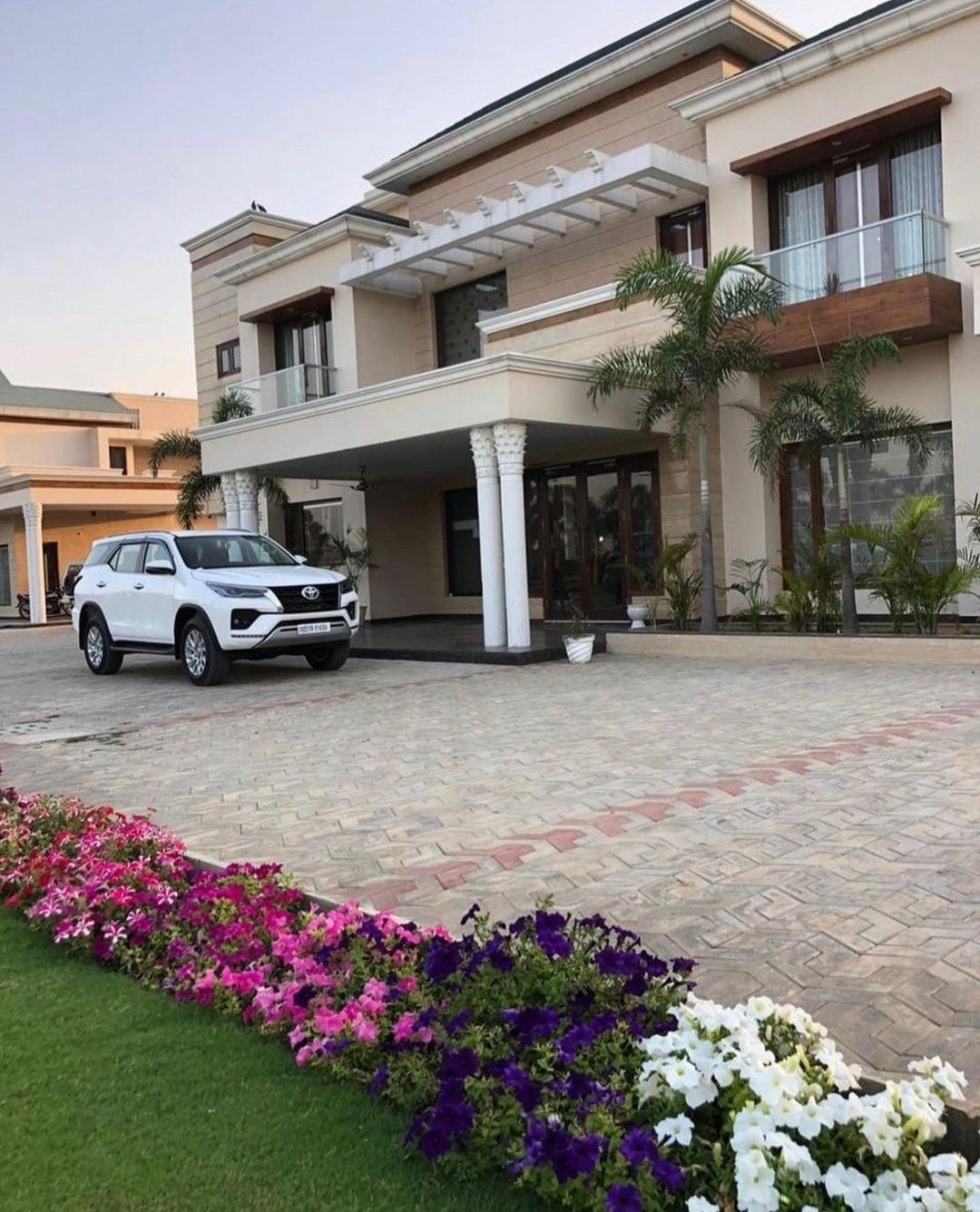
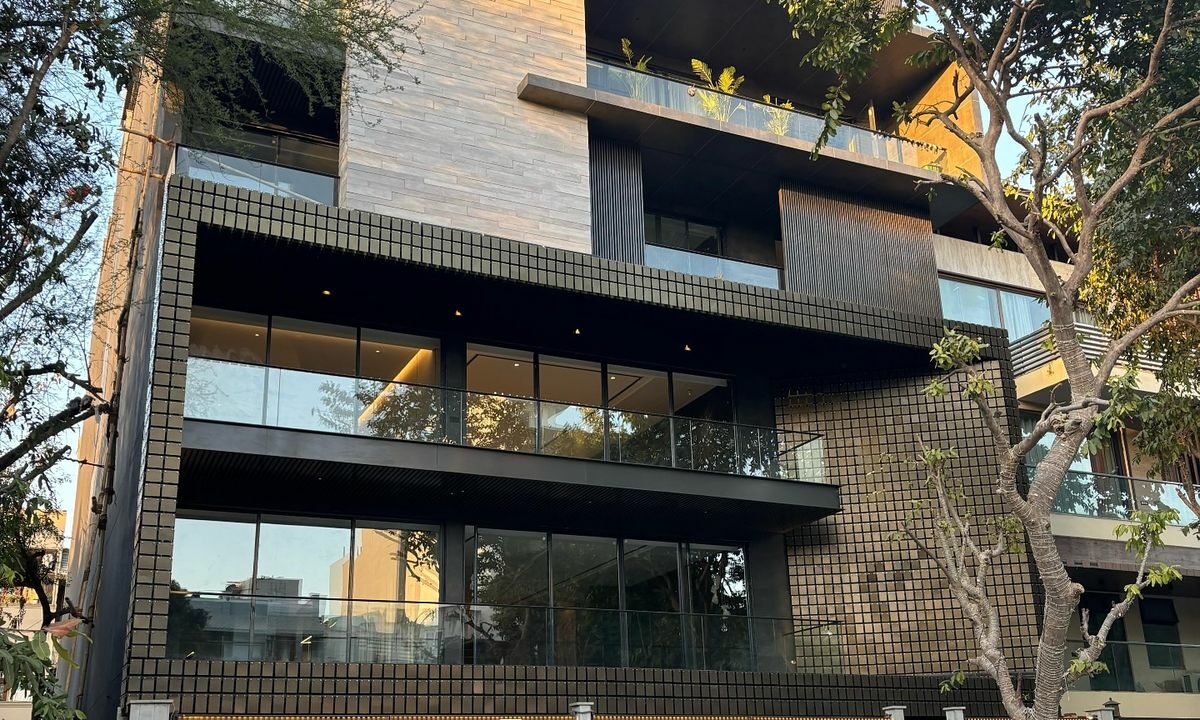
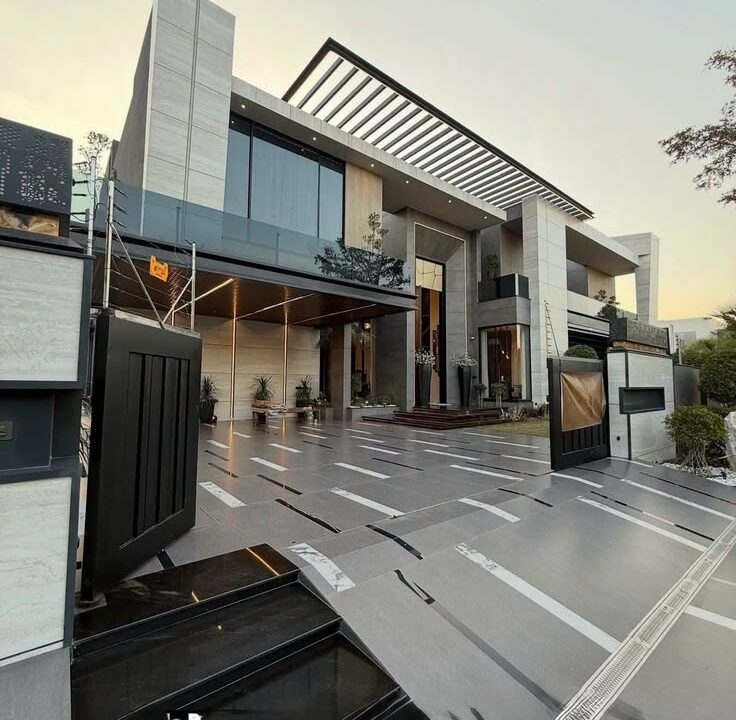
If you’re weighing the decision to book a new builder floor in gurgaon, start by asking precise, practical questions to protect your budget, safety and future resale value.
Key questions to ask developers before booking a new builder floor in gurgaon
Buying a builder floor is often simpler than a large apartment block, but it carries distinct risks. Cautious homebuyers should prioritize clarity on power backup, maintenance responsibilities, lift availability, and possession terms. Below, find the focused checklist and expert explanations that will help you compare offers, negotiate terms and make a confident decision.
What power backup commitments should the developer give for a new builder floor in gurgaon?
Ask the developer whether the power backup plan covers common areas, lifts and individual units. Demand written specifications that list generator capacity, automatic transfer switch details and the expected hours of uninterrupted power.
Additionally, clarify whether backup will run on diesel alone or on an integrated solution such as UPS for sensitive equipment and solar for daytime loads. This matters because intermittent backup that excludes lifts or emergency lights leaves residents vulnerable during outages.
How will lift availability and maintenance be assured for my new builder floor in gurgaon?
Confirm the number of lifts, their load capacity and whether the developer will provide dedicated lift maintenance through an original equipment manufacturer (OEM) or an independent contractor. A maintenance agreement should specify service frequency, response times and penalties for excessive downtime.
What are the typical possession and handover milestones I should lock in?
Insist on a clear possession date in the agreement, with measurable milestones such as external finishing, utility connections and completion of essential services. Include compensation clauses for undue delays and a detailed snagging procedure for defects found at handover.
Power backup: technical checks and contractual safeguards
Types of backup systems and what they mean for daily life
Understand the difference between a backup generator, UPS and solar-hybrid systems. Generators supply long runtime but require fuel and maintenance. UPS systems protect short, critical loads and sensitive electronics. Solar reduces daytime dependency but needs battery storage for night coverage.
Redundancy, runtime and realistic expectations
Ask for runtime estimates at different load scenarios (full building, partial loads). Verify whether the developer sized the genset to run all lifts and essential lighting simultaneously. Meanwhile, request documentation of periodic load tests and fuel storage safety measures.
What to check on backup system documentation
Request the make and model of the generator and any UPS units. Check maintenance logs for installed equipment on older projects. Conversely, on new installations, require a commissioning report and a warranty that covers major components for a specific period.
| Backup Type | Typical Strength | Common Limitations |
|---|---|---|
| Diesel Generator | High runtime; supports lifts and heavy loads | Fuel costs; noise; periodic testing needed |
| UPS | Instant switch for critical circuits | Short runtime; expensive for large loads |
| Solar + Batteries | Lower operating costs; green credentials | Higher upfront cost; limited night coverage without sufficient batteries |
Maintenance models, corpus funds and wallet impact
Who will manage maintenance and how are costs allocated?
Ask whether the developer will hand over an association or appoint a property manager. Determine how the maintenance corpus is calculated, what it covers and whether the corpus will be refundable if the association dissolves.
Furthermore, require transparency on one-time deposits versus recurring monthly charges. Developers sometimes quote low monthly fees that exclude major items, shifting heavy costs later. As a result, insist on an itemized list of covered services.
Common maintenance clauses to negotiate
Negotiate defined service level agreements (SLAs) for cleaning, landscaping, lift servicing and security. Include dispute resolution methods and a cap on annual maintenance hikes. Also, request audited accounts for the maintenance corpus after takeover.
Practical tips to reduce unexpected costs
- Require documented vendor contracts for major systems.
- Ask for a transitional maintenance period where the developer remains responsible for the first few months.
- Confirm whether statutory taxes and municipal charges are part of monthly maintenance.
Lifts, safety certificates and service assurance
Lift types, capacity and what affects reliability
Check whether lifts are passenger-only, or freight-capable, and note the rated person capacity. Modern lifts with regenerative drives improve energy efficiency. Meanwhile, older hydraulic lifts may need more frequent servicing.
Maintenance contracts and emergency response
Demand written SLAs that list response times for entrapment and breakdowns. An SLA should also outline spare-parts availability, scheduled preventive maintenance and the name of the servicing agency.
Certification and inspection requirements
Insist on copy of installation certificates and regular inspection reports. Additionally, verify compliance with local building bylaws and elevator safety norms. These documents prove the lift meets safety standards at handover.
Possession, handover procedures and legal checkpoints
Define possession date, penalties and extension clauses
Lock in a firm possession date with liquidated damages for delay expressed in the sale agreement. Also, specify events that qualify as force majeure and what documentation will justify schedule changes.
Snag list, defect liability and post-handover support
Require a formal snagging process at handover with timelines for rectification. Developers should accept a defect liability period for plaster, fittings and waterproofing. Make sure timelines for repairs are enforceable in writing.
Essential documents to receive at handover
- Completion certificate and occupancy certificate.
- As-built drawings and electrical load reports.
- Warranty certificates for waterproofing, electrical works and structural elements.
- Maintenance manuals and vendor contact details.
Developer track record, warranties and build quality checks
Verify past projects and buyer feedback
Request a list of completed projects and speak with owners about actual possession timelines and after-sales service. Additionally, inspect workmanship in similar projects to judge finishing standards and long-term durability.
Warranties: what must be non-negotiable
Secure written warranties that cover structural defects, waterproofing and electrical systems for defined periods. Also, require clarity on steps to claim warranty work and expected turnaround times.
Independent inspections and technical audits
Hire an independent civil or MEP consultant to audit the site and records before final payment. A technical report gives you leverage for negotiating fixes or financial adjustments. Finally, use the report to prioritize items on the snag list.
Practical negotiation checklist for cautious homebuyers
Questions to put in writing
- Exact scope of backup power and what systems it supports.
- Maintenance corpus amount, breakup and refund policy.
- Lift maintenance SLAs with response time commitments.
- Possession date, liquidated damages and force majeure definitions.
- Defect liability period and turnaround times for repairs.
Red flags to avoid
- Vague statements about “sufficient backup” without technical specs.
- No documented maintenance plan or ad hoc vendor arrangements.
- Unclear possession timelines or open-ended handover conditions.
- Reluctance to provide warranties or past project references.
Negotiation tactics that work
Request transitional support from the developer for three to six months after possession. Also, tie final payments to certification milestones. Consequently, you reduce the risk of unresolved defects post-move-in.
Frequently Asked Questions
How much backup power should a builder floor installation include?
Backup should at minimum support lighting, security systems and lifts simultaneously. Ask the developer for generator capacity in kVA and an estimated runtime at 70–80% load to assess adequacy.
Who pays for routine lift maintenance after possession?
Maintenance typically transfers to the resident association or appointed property manager after handover. Therefore, confirm whether initial months are developer-funded and how costs will be apportioned among residents.
What is a defect liability period and why does it matter?
The defect liability period is a defined time when the developer must fix construction defects free of charge. It matters because it protects buyers from early-life structural and finishing problems.
Can I insist on specific brands for backup and lifts?
Yes. You can request OEM-grade equipment and ask the developer to specify brands in the agreement. Conversely, if the developer resists, seek a warranty or extended maintenance commitment to compensate.
What documents confirm legal possession and occupancy?
Look for the occupancy certificate and completion certificate issued by local authorities. These prove the property meets construction norms and is fit for occupation.
How do I verify maintenance corpus transparency?
Ask for a detailed breakup of corpus contributions and audited accounts after takeover. Also, require clauses that limit annual increases and mandate stakeholder approval for major spending.
Is it reasonable to ask for penalties if lifts are non-operational?
Yes. Include SLA clauses with penalties or rent concessions for extended lift downtime. These terms encourage prompt corrective action and protect resident convenience.
Should I order an independent technical audit before final payment?
Always. An independent audit validates structural quality and MEP installations. Consequently, it gives you negotiating leverage and reduces the risk of costly surprises later.
What questions reveal hidden operating costs?
Ask whether electricity, water, sewerage and municipal charges are included in maintenance. Additionally, request likely annual increases and any extraordinary expense clauses.
How can I ensure fast redressal after possession?
Insist on a documented customer care process, emergency contacts and a defined timeline for critical repairs. Also, require a transitional support period where the developer remains accountable for major systems.
Choosing to book a new builder floor in gurgaon requires targeted questions and firm contractual protections. By verifying backup power, maintenance models, lift SLAs and possession clauses in writing, you protect your investment and daily life. Trust decisions grounded in documentation, independent inspection and a developer’s verifiable track record — these steps will position you for a smooth move-in and a resilient home ownership experience as the neighborhood evolves.