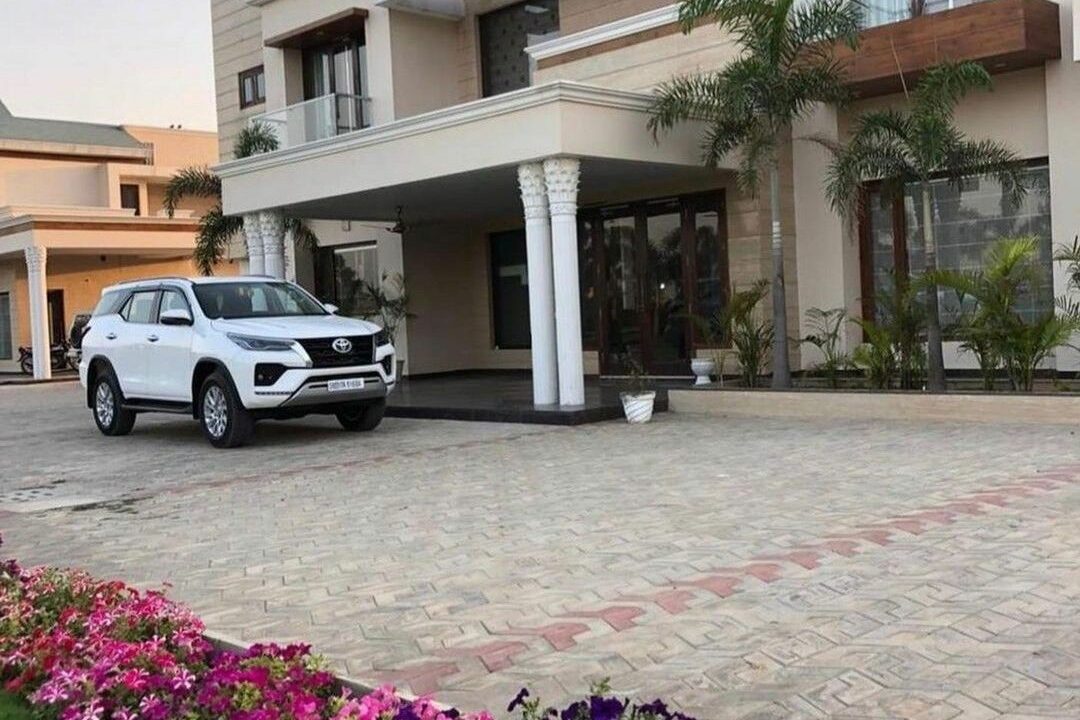
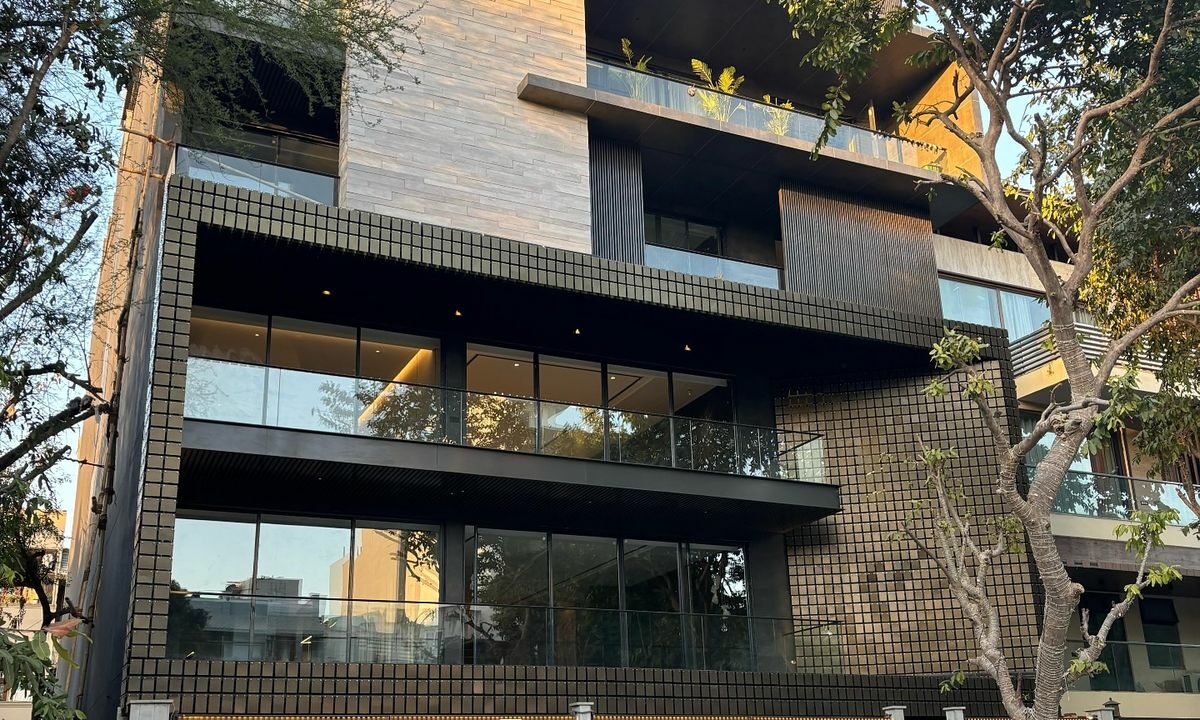
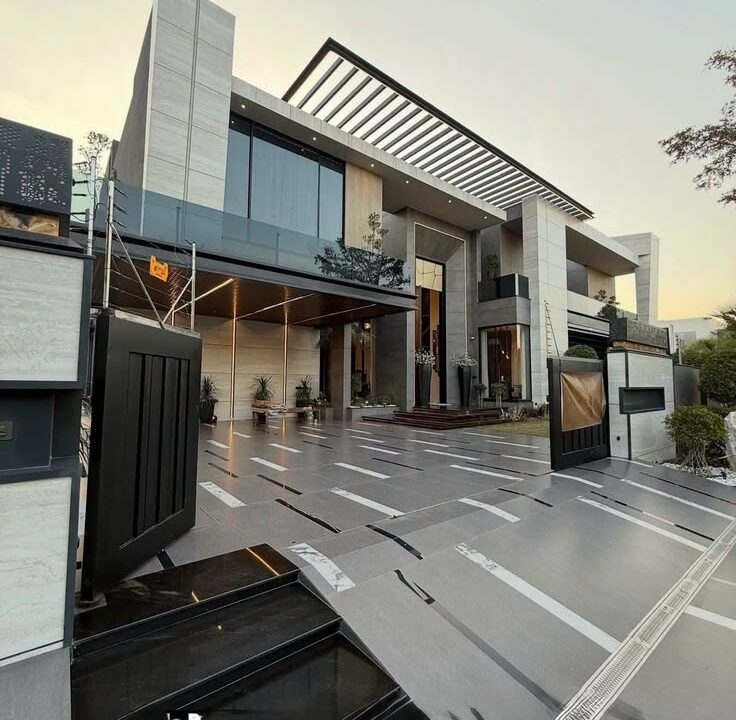
Comprehensive Guide to Buying a Luxury Builder Floor in Gurgaon
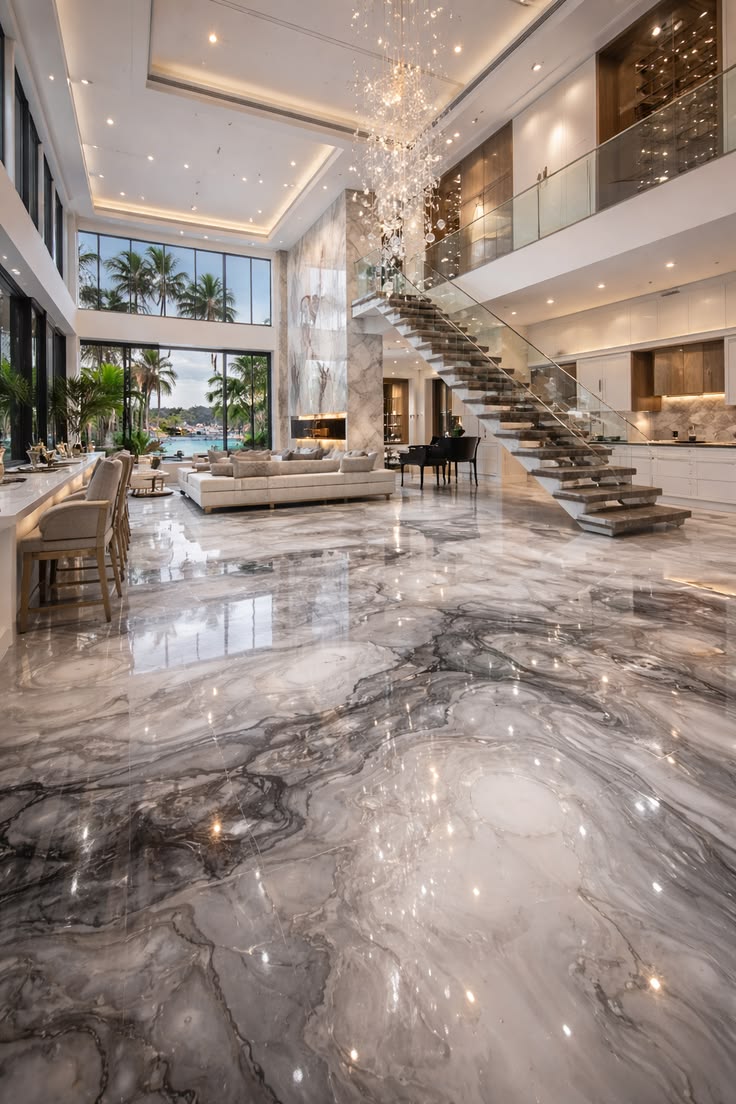
luxury builder floors in gurgaon offer discerning buyers independent living with premium finishes, private access and street-facing privacy. This guide helps general luxury homebuyers evaluate supply, quality, legal risks and long-term value when considering an independent floor in Gurgaon.
Why choose luxury builder floors in Gurgaon: a buyer’s perspective
Luxury builder floors combine villa-like space with lower maintenance than a standalone home. For many buyers, they strike the right balance between exclusivity and urban convenience.
Buyers often value private entries, dedicated car parking, and a sense of ownership that compares favorably with high-end apartments. Additionally, builder floors in established sectors offer quicker move-in timelines.
Market context and buyer goals
Gurgaon’s prime micro-markets attract professionals, executives and families seeking quality construction close to corporate hubs. Your goals—residence, lifestyle or investment—determine the priorities you set when evaluating floor options.
Therefore, define use-case early. Will you occupy long term? Rent short-term? Resale expectations change material and layout choices.
Core benefits for luxury homebuyers
Luxury builder floors typically offer layered benefits: larger room proportions, higher-quality finishes, and more natural light than typical apartments. They also reduce shared common area dependencies.
Consequently, look for builder floors that deliver tangible lifestyle upgrades, not just premium surface finishes.
Understanding locations and micro-markets in Gurgaon
Location remains the single strongest determinant of long-term value. Choose sectors with strong connectivity to workplaces, reputed schools and healthcare facilities.
When evaluating neighborhoods, compare commuting times, surrounding infrastructure projects, and the quality of nearby developments.
Transit, schools and lifestyle access
Assess transit links such as metro expansions and major road corridors. Nearby high-quality schools and hospitals support family needs and help future resale demand.
Additionally, proximity to retail and leisure hubs improves daily convenience and lifestyle appeal.
Micro-market stability and future supply
Investigate upcoming supply in chosen sectors. Excessive new construction can depress short-term appreciation. Conversely, limited future supply often supports robust values.
Therefore, use developer track records and municipal planning documents to estimate supply trajectories.
Design, layout and size considerations
Independent floors vary in layout, from single-level maisonettes to multi-level duplexes. Prioritize configurations that suit your lifestyle and sleeping area requirements.
Focus on efficient circulation, natural ventilation, and clear separation between private and public areas.
Typical floor plate and stacking patterns
Ask for the stacking plan to understand privacy between floors and orientation. Floors that share a common wall can still provide excellent privacy if designed well.
Moreover, evaluate sun-path and wind direction to ensure good light and cross-ventilation.
Finishes, fixtures and customization potential
Luxury buyers expect above-standard finishes. Verify material brands, warranty terms, and the scope for customization during the sales stage.
Additionally, ask whether the developer permits modifications to layouts and whether structural changes are feasible.
Construction quality, warranties and inspection checklist
Construction quality determines durability and long-term maintenance. Inspect structural systems, waterproofing, and service risers closely.
Always request builder warranties and post-occupancy service commitments in writing.
Practical inspection checklist
- Verify brickwork and plaster uniformity.
- Check plumbing and electrical concealment and access points.
- Inspect waterproofing in wet areas and terraces.
- Examine doors, windows and balcony railings for quality fittings.
Bring a qualified engineer for a pre-handover inspection to spot latent defects early.
Common construction red flags
Watch for inconsistent finishes, irregular joint patterns, and poor drainage on terraces. These often translate into repeated maintenance costs.
Consequently, prioritize projects with transparent quality records and third-party inspections.
Legal due diligence and clearances
Legal clarity reduces risk. Confirm title ownership, land-use permissions and building approvals before committing funds.
Additionally, ensure the builder has obtained necessary environmental and utility clearances to avoid future compliance issues.
Documents to request and verify
- Sale deed and title chain evidence.
- Approved building plans and sanctioned layouts.
- Occupancy certificate and completion certificates where applicable.
- No dues certificates for utilities and property taxes.
If the project is recent, ask for authentication documents from municipal authorities or competent registrars.
Working with legal and technical advisors
Engage a real estate lawyer and an independent technical consultant. They can validate documents and highlight clauses in the agreement that shift risk to buyers.
Negotiate protective clauses such as defined delivery timelines and penalty clauses for delayed possession.
Pricing, costs and negotiation strategy
Price components include base sale price, preferential location charges, and finishing packs. Request a clear cost breakup to avoid surprises.
Understand which items are optional and which are included in the base cost to negotiate better.
Evaluating true landed cost
- Base price and parking allocation.
- GST and applicable taxes on sale of floor.
- Maintenance deposits and recurring charges.
- Customization and fit-out budgets.
Consequently, compute a 3-year cashflow to judge affordability beyond the purchase price.
Negotiation levers luxury buyers can use
Leverage competitive inventory, bulk-fitment timing and willingness to pay with builder finance to secure concessions. Meanwhile, structured payment schedules often unlock discounts.
Therefore, enter negotiations with clear BATNA—your best alternative—to maintain leverage.
Financing, taxes and recurring costs
Financing an independent floor may follow similar parameters to apartment loans, but lenders examine title clarity and builder credentials closely.
Estimate recurring costs such as maintenance, staff, and utilities when evaluating monthly outflows.
Loan suitability and documentation
Speak to multiple lenders to compare interest rates and margin for independent floors. Gather required documents early to streamline approvals.
Additionally, confirm whether lenders finance the full cost or cap the loan-to-value more conservatively for independent units.
Tax implications and ownership structure
Consider stamp duty and registration charges. For joint ownership or inheritance planning, consult a tax advisor to optimize structure and future transferability.
Moreover, account for property tax classifications that vary by municipal zone.
Resale potential and rental yield considerations
Resale strength depends on micro-market desirability, build quality and ease of maintenance. Floors in well-located sectors generally show stronger demand.
If you plan to rent, investigate tenant preferences for independent floors versus apartments in your target segment.
Factors that preserve value
- Proximity to business districts and transit.
- Reputed builders and demonstrable construction quality.
- Low ongoing maintenance burden and transparent governance.
Consequently, choose properties with design flexibility and neutral finishes to appeal to a broader buyer base at resale.
Staging and maintenance to maximize returns
High-quality staging and proactive maintenance improve both rental rates and resale prices. Invest in durable finishes and professional property management when you are not in residence.
Finally, maintain a log of all upgrades and invoices to substantiate value during sale negotiations.
How to inspect luxury builder floors in Gurgaon
Conduct a layered inspection: documentation, visual walk-through, and technical testing. Take time during each phase to avoid costly oversights.
Bring a concise checklist and a trusted advisor on site to validate builder claims.
Step-by-step inspection routine
- Verify unit dimensions against approved plans.
- Check water pressure, electrical circuits and backup systems.
- Inspect waterproofing, terraces and drainage lines.
- Confirm elevators, security systems and access controls if shared.
Record defects and require rectification timelines in writing before final payment.
Comparing luxury buyer priorities: finishes, privacy, and layout
Luxury buyers prioritize privacy and high-quality finishes. Compare how each floor delivers on spatial flow, balcony access and private entries.
Similarly, evaluate whether the floor layout supports long-term lifestyle changes like home offices or caregiver accommodation.
Common mistakes luxury buyers make and how to avoid them
Buyers often overlook service access, stair design, and future renovation limits. These seemingly small issues compound into daily inconveniences.
Avoid rush decisions based solely on show-flat gloss; instead, verify in-progress deliverables and third-party reports.
Top buyer missteps
- Neglecting title verification and municipal approvals.
- Underestimating post-handover maintenance costs.
- Ignoring sunlight and ventilation during different seasons.
Prevent these errors with a disciplined checklist and expert advice before signing agreements.
Expert tips for confident decision-making
Request a walkthrough of an occupied comparable unit to evaluate lived experience. Also, ask for references from current residents about maintenance responsiveness.
Furthermore, retain negotiation flexibility by staging payments against clear milestones.
Frequently Asked Questions
What defines a luxury builder floor in Gurgaon?
It is an independent floor that combines premium materials, thoughtful layout, private access and developer-backed warranties within Gurgaon’s higher-end sectors.
How do I verify the legal title of a builder floor?
Request the chain of title, approved building plan and encumbrance certificate. Have a qualified lawyer validate these documents and confirm no pending litigations.
Are builder floors a better investment than apartments?
It depends on location, construction quality and buyer goals. Builder floors can offer better privacy and independent access, while apartments may provide stronger communal amenities.
What maintenance costs should I expect?
Maintenance varies by finish quality and services. Budget for routine upkeep, staff or management fees, and periodic system servicing to maintain value.
Can I get a home loan for an independent floor?
Yes. Lenders evaluate title clarity, property compliance and developer credentials. Prepare full documentation to improve approval chances.
How important is builder reputation?
Builder reputation affects delivery timelines, construction quality and post-sale service. Prioritize developers with transparent delivery records and positive resident feedback.
What inspection should I do before taking possession?
Conduct a detailed inspection for structural integrity, waterproofing, electrical and plumbing. Document defects and ensure written commitments for rectification.
How do resale prospects differ across Gurgaon sectors?
Sectors with strong infrastructure, connectivity and established communities tend to show better resale performance. Assess long-term micro-market fundamentals when buying.
Should I hire a property manager after purchase?
If you plan to rent or travel frequently, professional property management preserves the asset and handles tenant relations, reducing hands-on involvement.
Are customization options typically allowed?
Customization depends on builder policy and structural constraints. Confirm permitted changes and obtain written approval for any major alterations.
Buying an independent home requires a disciplined approach: verify legal clearances, inspect construction quality, and model true costs beyond the price tag. Luxury buyers who prioritize location, structural resilience and thoughtful finishes achieve the best outcomes. Armed with practical checklists and an understanding of Gurgaon’s micro-markets, you can confidently evaluate luxury builder floors in gurgaon and secure a property that performs well both as a home and an asset in the years ahead.