Luxury Features Expectation Guide for Builder Floors Under 5 Crore
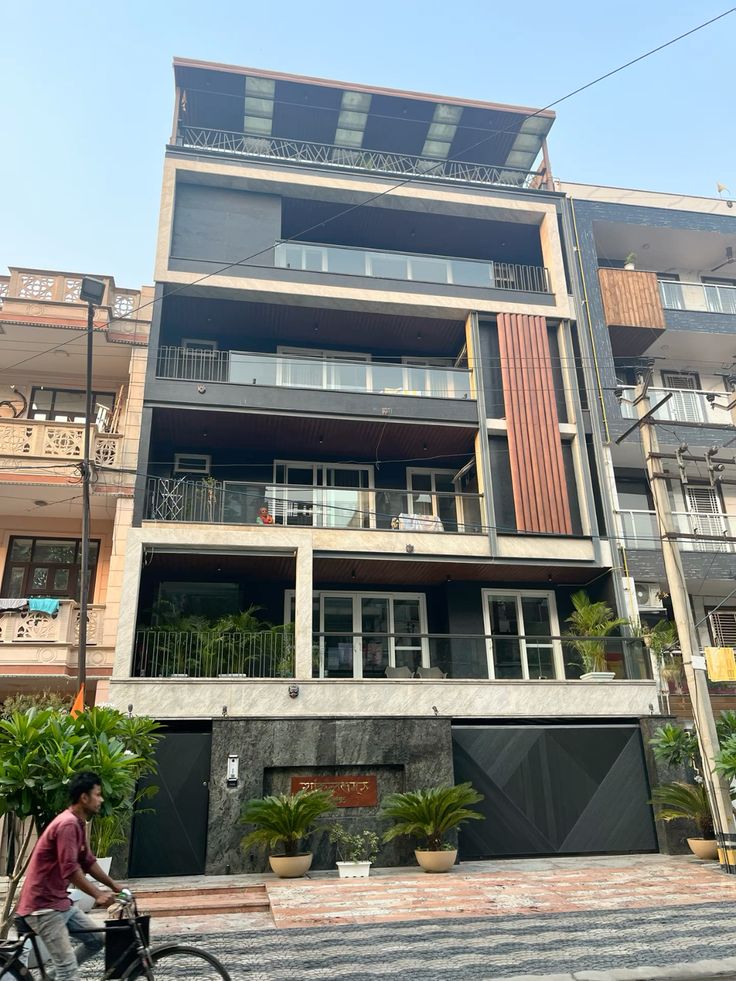
Builder floors under 5 crore attract quality-conscious buyers who expect premium finishes, efficient VRV systems and practical smart home automation from well-built projects.
What to Expect in Builder Floors Under 5 Crore
Buying a builder floor in this price band means balancing visible luxury with sound engineering. Developers often position these properties as “affordable luxury,” so finish selection and mechanical systems determine long-term satisfaction.
Consequently, you should evaluate stocks of materials, warranty terms and the installed MEP (mechanical, electrical, plumbing) configuration before signing. These elements reveal whether the developer focused on genuine quality or cosmetic upgrades only.
Finishes that matter for perceived value
Italian marble, premium joinery and high-quality sanitaryware create immediate appeal. However, finish quality varies widely. Inspect edge details, grout lines and transitions to judge workmanship.
Furthermore, consistent sourcing and a clear specification sheet reduce surprises after possession.
Mechanical systems buyers should prioritize
Heating, ventilation and air conditioning choices strongly affect comfort and operating cost. VRV air conditioning systems are increasingly offered in this segment for efficiency and zoning benefits.
Therefore, confirm capacity calculations and phased commissioning records. As a result, you avoid under- or over-specced installations that reduce comfort or inflate bills.
Italian Marble Finishes: Selection, Quality and Cost
Italian marble choices for builder floors under 5 crore
Italian marble adds prestige, but not every slab is equal. Buyers should look for consistent veining, minimum fissures and proper polishing. Ask developers for slab samples rather than tile photos.
Additionally, request the marble’s country-of-origin documentation and a material grade or certificate where possible. This confirms you are not paying a premium for a label while receiving lower-grade stone.
Durability, maintenance and real-life performance
Marble is softer than engineered stones and requires sealing. In high-traffic zones, expect patina and etching over time. If you want long-term shine, plan for periodic professional maintenance.
Conversely, areas with heavy use, such as kitchens and utility zones, benefit from more abrasion-resistant options while keeping marble for living and bedroom areas.
| Characteristic | Italian Marble | Engineered Stone | Premium Vitrified Tile |
|---|---|---|---|
| Visual luxury | High; unique veining | High; consistent patterns | Moderate; realistic prints |
| Scratch/acid resistance | Lower; susceptible to etching | Higher; engineered resilience | High; durable glaze |
| Maintenance | Sealing and polishing needed | Low; easy cleaning | Low; minimal maintenance |
| Cost (installed) | Highest | High | Moderate |
VRV Air Conditioning in Mid‑Range Luxury Homes
How VRV systems improve comfort
VRV (variable refrigerant volume) systems offer zoning, quieter operation and superior energy efficiency when sized correctly. They allow independent temperature control across rooms.
As a result, occupants enjoy tailored comfort and reduced energy waste. VRV systems also integrate with building management systems for smarter operation.
VRV vs packaged and split systems: practical trade-offs
Compared with conventional split systems, VRV systems often have higher upfront cost but lower lifecycle energy use. They also simplify ductwork in multi-level builder floors.
However, correct design and commissioning are critical. Poor piping runs or under‑sized compressors negate expected benefits.
| Aspect | VRV/VRF | Split/Packaged |
|---|---|---|
| Initial cost | Higher | |
| Energy efficiency | Better with zoning | Variable; less efficient centrally |
| Noise | Low | Moderate |
| Maintenance complexity | Higher; specialist service | Lower; widely serviced |
Smart Home Automation: Practical Systems for Builder Floors
Smart home automation options for builder floors under 5 crore
Buyers in this segment expect sensible automation: lighting scenes, climate control, security and remote access. Focus on stability, interoperability and upgrade paths rather than gimmicks.
Therefore, choose wired backbone options where feasible, or robust mesh wireless systems with dedicated gateways to reduce latency and false alarms.
Integration priorities and cyber safety
Integration across HVAC, lighting and security increases convenience, but it also expands attack surfaces. Ensure systems include encryption, regular firmware updates and clear ownership of credentials at handover.
Furthermore, confirm whether the developer provides local control options if cloud services change terms or shut down in future.
Cost Breakdown, Value and Negotiation Tips
Typical cost drivers in a builder floor under 5 crore
Key drivers include surface finishes, imported sanitaryware, mechanical systems like VRV, and smart home infrastructure. Structural extras such as thicker slabs or treated balconies also add to cost.
Consequently, prioritize items that matter to daily living—comfortable HVAC, durable flooring and reliable plumbing—over vanity upgrades with no functional benefit.
Negotiation levers to improve long-term value
Negotiate for clear itemized specifications, extended warranty on critical MEP components and third-party commissioning reports. These items protect you long after the initial handover.
Additionally, ask for a workmanship inspection and list of approved vendors so you can verify the authenticity of finishes like Italian marble.
Finishing Quality Checklist and Buyer Recommendations
On-site inspection checklist
- Verify marble slabs physically; check for banding and repaired fissures.
- Inspect grout lines and mitred corners for continuity.
- Confirm VRV outdoor unit placement, access and noise abatement details.
- Test smart functions in demo mode—lighting scenes, app response and local overrides.
- Request as-built MEP drawings and commissioning certificates.
Common mistakes buyers make
Buyers often accept glossy marketing images without verifying real materials. They also underestimate operating costs of complex HVAC and over-rely on cloud-only smart solutions.
To prevent regret, prioritize demonstrable performance over aesthetic claims and insist on documented handover standards.
A Practical Example: What a Typical Specification Looks Like
Room-by-room specification highlights
Living and dining: Italian marble flooring with minimum 20 mm slab thickness or premium engineered alternatives for high-traffic families. Integrated ceiling-mounted VRV cassette units for even cooling.
Master bedroom: Dimmable lighting scenes, local thermostat for VRV zoning and concealed wiring for smart speakers. En suite: premium sanitaryware, marble vanity tops and water-efficient fittings.
Service areas and durability considerations
Kitchens and utility: Use engineered stone or high-grade vitrified tiles. Avoid marble where acidic staining is likely. Specify stainless-steel sinks and commercial-grade plumbing fixtures for longevity.
Balconies and terraces: Check for waterproofing warranties and drainage slopes. Marble on outdoor balconies invites staining and slippage unless specifically treated.
Maintenance and Ownership: Protecting Your Investment
Routine care for marble and mechanical systems
Marble needs periodic sealing and immediate cleaning of acidic spills. VRV systems require annual service, filter changes and occasional refrigerant checks by certified technicians.
As a result, budgeting for ongoing service preserves comfort and reduces expensive emergency repairs.
Records and warranties to insist on
Obtain manufacturer warranties for VRV compressors, written maintenance schedules and a list of consumables. Keep commissioning reports and appliance serial numbers for future claims.
Additionally, confirm the developer’s defect liability period and escalation process before moving in.
Frequently Asked Questions
1. Are Italian marble floors practical for daily living in builder floors under 5 crore?
Yes, if used selectively in living or bedroom areas and maintained properly. For kitchens and high-traffic zones, choose tougher alternatives to reduce staining and wear.
2. Does a VRV system reduce running costs compared to split ACs?
Generally, VRV systems can be more efficient due to zoning and inverter-driven compressors, but savings depend on correct sizing, controls and regular maintenance.
3. How should I verify a developer’s claim of “smart home ready”?
Ask for a live demo, wiring diagrams, compatibility lists and whether local control works if cloud services change. Confirm firmware update policies and data privacy terms.
4. What questions should I ask about the marble supplied?
Request slab samples, origin certificates, grade information and details on sealing treatment. Inspect edges, finish uniformity and whether matching slabs are available for large areas.
5. Is it better to buy a builder floor with VRV pre-installed or retrofit later?
Pre-installed VRV systems offer cleaner integration and optimized piping. Retrofitting is possible but can be costlier and disrupt interiors. Prefer pre-installed where quality assurances exist.
6. How much should I budget annually for maintenance?
Budget depends on usage, but plan for annual HVAC servicing, occasional marble maintenance and smart system updates. Allocate a contingency for unexpected repairs.
7. Can smart home automation increase resale value?
Yes, when automation improves daily comfort, energy efficiency and security. Choose standardized, upgradeable systems to appeal to future buyers.
8. What red flags indicate poor-quality finishes?
Visible grout gaps, uneven grout color, mismatched slabs, unsealed cut edges and lack of documentation are common red flags. Insist on corrective action before closing.
9. How do I evaluate acoustic comfort in a builder floor?
Ask about floor slab thickness, inter-floor insulation, door seals and window glazing specifications. Test noise levels during different times of day when possible.
10. Should I request third-party commissioning reports?
Yes. Independent commissioning of HVAC and electrical systems verifies performance and reduces handover disputes.
Choosing a builder floor that delivers real luxury without hidden compromises requires careful inspection, informed questioning and a focus on systems as much as surfaces. Quality-conscious buyers will benefit from prioritizing durable finishes like properly specified Italian marble, insisting on professionally commissioned VRV air conditioning, and selecting smart home automation that is secure, interoperable and upgradeable. With these checks in place, a well-specified builder floors under 5 crore offers a lasting, comfortable home and a defensible long-term investment in lifestyle and resale value.