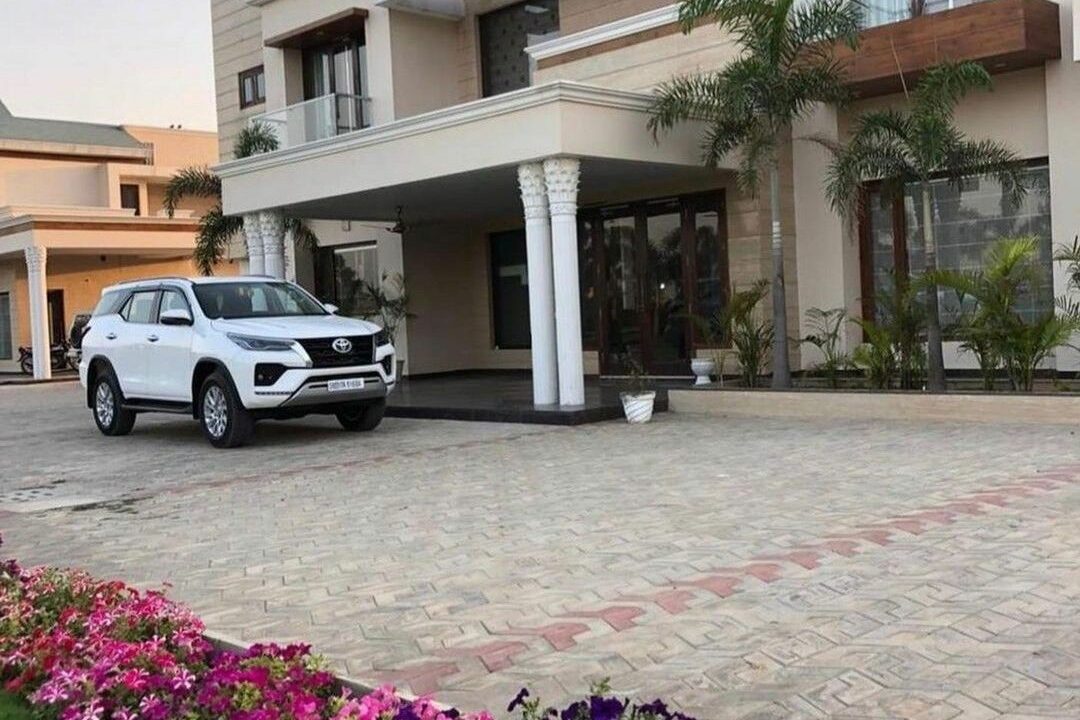
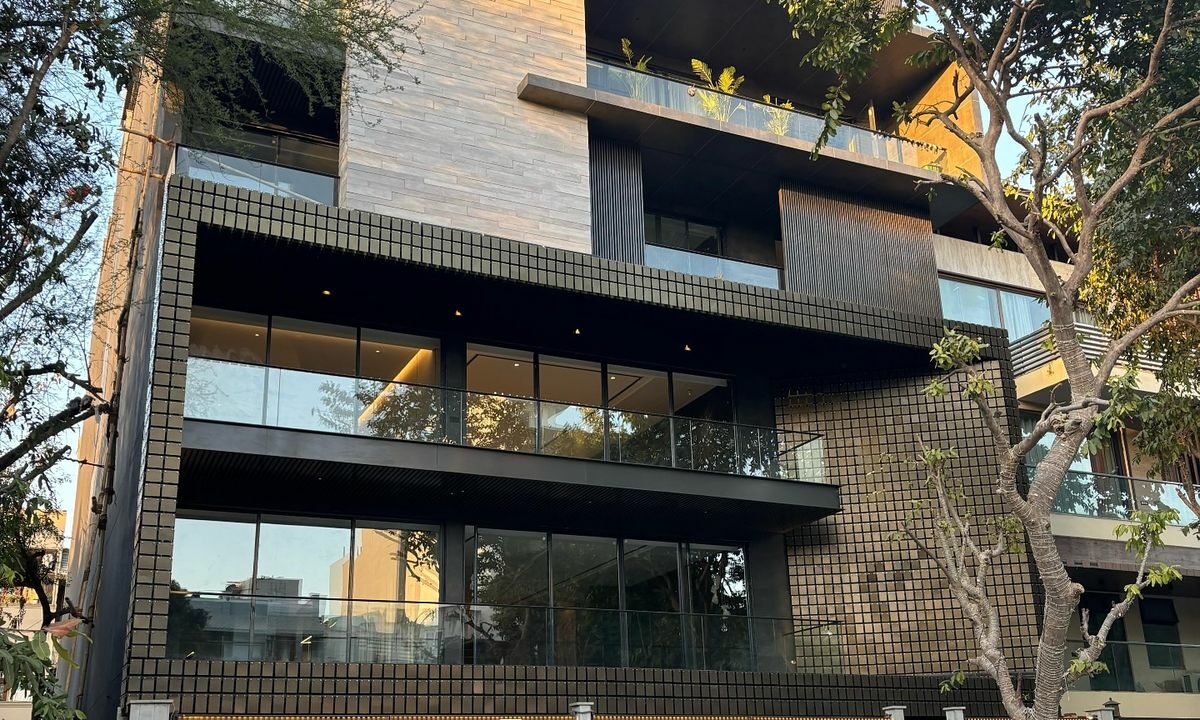
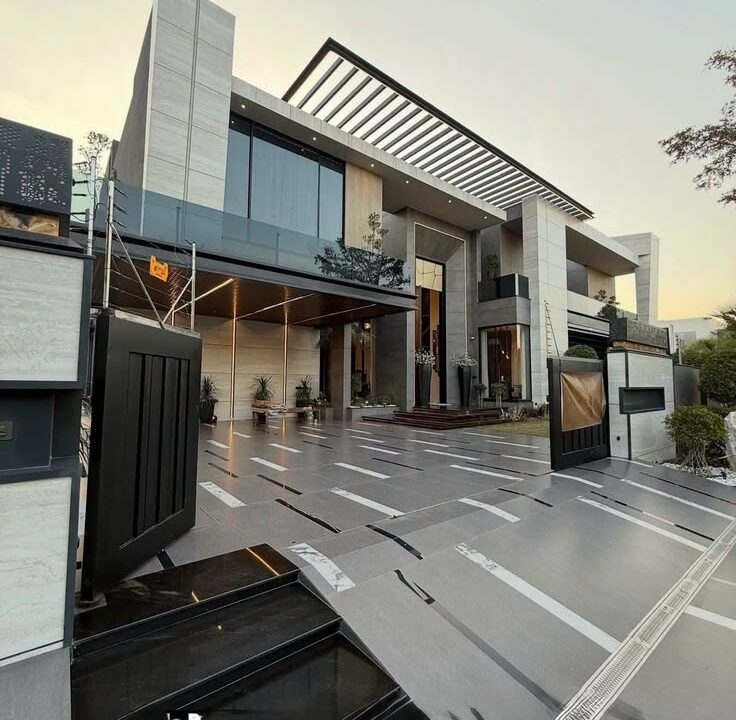
Architecture and Interior Specs of Ultra-Luxury Floors Under 7 Crore
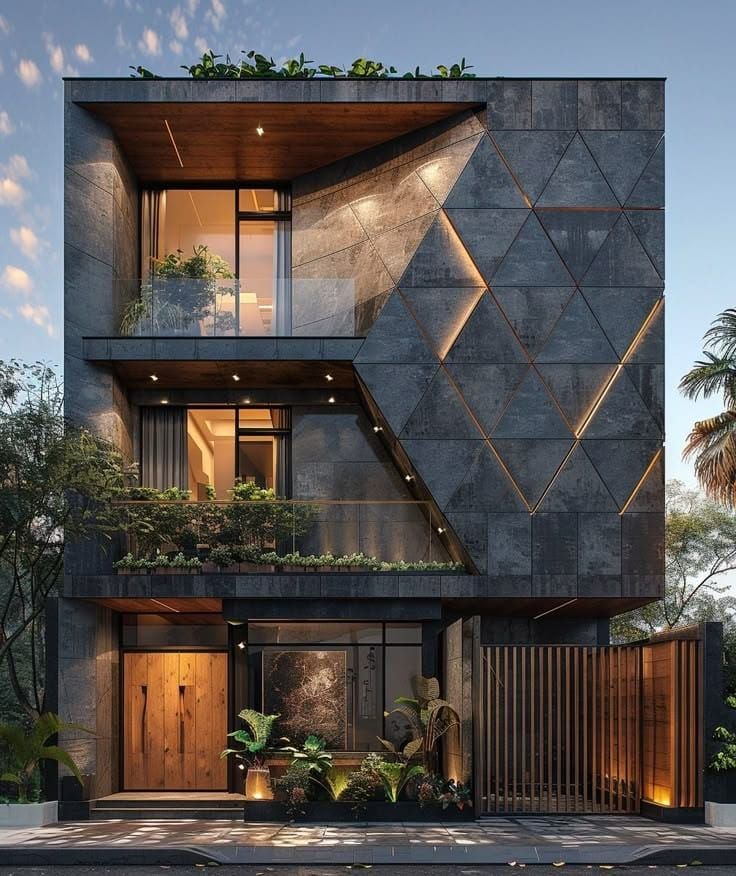
Architecture and Interior Specs of Ultra-Luxury Floors Under 7 Crore — builder floor under 7 crore This editorial guide helps interior design enthusiasts evaluate imported marble, high-end modular fittings, and private elevator lobbies when considering a builder floor under 7 crore.
builder floor under 7 crore: Architecture and interior expectations
Buyers looking for a builder floor under 7 crore expect refined architecture and premium interiors. Developers often deliver a combination of technical upgrades and aesthetic enhancements to meet that expectation.
For interior design enthusiasts, architecture sets the framework and finishes deliver the personality. Therefore, understanding structural limits and finish allowances helps you specify materials that age well.
Imported marble choices for a builder floor under 7 crore
Imported marble frequently appears in living areas and master bathrooms. Popular choices include Carrara, Calacatta, and Statuario types that differ in veining and hardness.
When evaluating marble, check slab thickness, finish type, and sealing recommendations. Thicker slabs reduce breakage risk, while honed or polished finishes influence maintenance and slip resistance.
Private elevator lobbies and circulation for a builder floor under 7 crore
Private elevator lobbies define privacy and arrival experience. A well-planned lobby buffers noise, provides security and creates an immediate design statement.
Assess elevator dimensions, door configuration and lobby finishing allowances before committing. Higher finishes require mock-ups to ensure lighting and sightlines complement imported marbles and joinery.
Materials, finishes and high-end modular fittings
Selecting the right imported marble and engineered stone
Match marble choice to use-case. For heavy-traffic living rooms choose harder marbles or engineered stone. For bathrooms select polished slabs with non-porous sealants.
Ask for technical datasheets. Confirm water absorption rates and recommended adhesives. This reduces long-term maintenance and staining risks.
High-end modular kitchens and utility planning
Premium modular kitchens combine system cabinetry, integrated appliances and customised panels. Look for soft-close hardware, pull-out pantries and corrosion-resistant carcasses.
Plan services early. Kitchens need dedicated circuits, appliance vents and reinforced walls for heavy hoods. As a result, coordination avoids costly retrofits.
Fittings and fixtures: what elevates perceived luxury
Hardware, plumbing fixtures and switchgear influence perceived value. Choose finishes that coordinate across the unit to create a cohesive palette.
Additionally, opt for concealed hinges, coordinated escutcheons and premium backplates. These small components elevate the interior without dramatic cost increases.
| Finish element | Typical spec | Why it matters |
|---|---|---|
| Marble slab | 20–30 mm imported & sealed | Durability, visual depth, resale appeal |
| Modular kitchen | Solid plywood carcass, soft-close | Longevity, functional ergonomics |
| Hardware | Stainless brass-plated | Corrosion resistance, tactile quality |
| Elevator lobby finish | Stone, lacquered wood, indirect lighting | First impression, privacy |
Private elevator lobbies, access control and privacy design
Designing private elevator lobbies for privacy and luxury
Private elevator lobbies must balance security and hospitality. Use sightline control, acoustic buffering and programmable lighting to shape the arrival experience.
Include space for antechambers or vestibules. These provide a transition between shared corridors and personal entry, improving sound isolation.
Security, access control and discreet service routes
Incorporate biometric access or keycards at elevator landings where permitted. Meanwhile, plan service routes that keep deliveries and staff entries separate from the private lobby.
Service lifts and back-of-house corridors maintain privacy during maintenance and furniture moves. Ask developers how these routes will operate during occupation.
Finishes, lighting and materials coordination in lobbies
Lobby lighting must accommodate marble reflectivity. Use dimmable indirect lighting and wall grazing to highlight veining without creating glare.
Choose veneer or stone that tolerates the humidity and traffic of elevator areas. Coordinate hardware finishes with door sets for a unified aesthetic.
Functional planning: MEP, acoustics, and long-term maintenance
Mechanical, electrical and plumbing considerations for premium interiors
High-end fittings demand reliable MEP design. Confirm HVAC zoning, dedicated circuits and isolation transformers for sensitive audiovisual systems.
Verify builder-supplied layouts for chases and false ceilings. This ensures you can integrate bespoke lighting or concealed services without structural changes.
Acoustic planning and thermal comfort in vertical luxury living
Acoustic separation matters. Specify floating screeds, resilient mounts and insulated party walls to reduce impact noise between floors.
Thermal comfort depends on glazing, shading and HVAC capacity. Therefore, review fenestration U-values and the developer’s glass specification.
Maintenance planning and warranty coverage
High-spec finishes need clear maintenance paths. Request manufacturer cleaning recommendations and service windows for built-in systems.
Confirm warranty periods for marble sealing, modular kitchens and elevators. Ideally, obtain written maintenance schedules to preserve value.
Practical design strategies and buyer recommendations
How to evaluate sample flats and mock-ups
Inspect full-scale mock-ups when possible. They reveal how marble veining reads under lighting and how joinery proportions respond to actual scale.
Bring a material swatch pack. Match paint, stone and wood samples to test under the development’s lighting conditions.
Common mistakes interior design enthusiasts should avoid
One common mistake is choosing marble solely for appearance without checking porosity. As a result, staining and etching can appear within months.
Another mistake is underestimating service access. Ensure cupboards and ceiling cavities permit maintenance of concealed systems.
Expert tips for negotiating specifications
- Request upgraded lobby finishes as a negotiated inclusion.
- Insist on thicker stone or engineered alternatives where structural limits permit.
- Ask for appliance allowances rather than fixed brands to gain flexibility.
Budgeting, valuation and investment outlook
Cost drivers for a high-spec builder floor
Major cost drivers include slab thickness, imported stone, high-end joinery and private elevator features. Additionally, MEP upgrades and smart home systems increase upfront costs.
Budget for an initial premium and ongoing maintenance. Well-specified materials reduce renovation frequency and preserve resale value.
Assessing resale appeal and long-term value
High-quality marble and modular systems typically improve resale. Buyers value materials that age gracefully and systems that simplify maintenance.
Consider the neighbourhood market. A well-executed interior cannot fully offset a mismatched location. Therefore, align finish levels with local demand.
Feature comparison: imported marble vs engineered stone
| Attribute | Imported marble | Engineered stone |
|---|---|---|
| Appearance | Natural veining, unique patterns | Consistent patterns, wide colour range |
| Durability | Varies by type, can be softer | High scratch and stain resistance |
| Maintenance | Sealing required regularly | Low maintenance, non-porous |
| Cost | Often higher slab cost and transport | Competitive, predictable pricing |
Lifestyle and design narratives for interior enthusiasts
Creating a cohesive material story
Curate a material palette that guides the eye. Use stone as an anchor, wood to warm and metal accents to punctuate details.
Maintain proportion and rhythm. Repeat materials sparingly to create visual continuity across rooms.
Layering lighting to support finishes
Design layered lighting: ambient, task and accent. Controlled accent lighting reveals the depth of marble and textures in wood veneers.
Include dimming and zoning to tailor scenes for different times and moods.
Frequently Asked Questions
What marble types suit a builder floor under 7 crore?
Choose marbles like Carrara for understated veining or Calacatta for bold drama. Prioritise thicker slabs and ask for technical data on porosity and hardness.
Can private elevator lobbies be customized in these projects?
Customization depends on developer allowances. Negotiate lobby finishes and lighting during purchase to secure upgrades that match your interior intent.
Are high-end modular kitchens included or optional?
Developers may offer a base modular kitchen and an upgrade package. Confirm scope: carcass material, hardware quality and appliance integration are key differentiators.
How do I verify marble authenticity at handover?
Request slab certificates and supplier invoices. Also review colour consistency across slabs and test a small, inconspicuous area for porosity if permitted.
What maintenance should I expect for imported marble?
Plan for periodic sealing, gentle cleaning agents and immediate stain treatment. Avoid acidic cleaners that etch marble surfaces.
How important are MEP allowances for high-end interiors?
Very important. Ample electrical capacity, HVAC zoning and service chases enable future upgrades and reduce invasive retrofits.
Is acoustic isolation necessary between floors in luxury builder floors?
Yes. Acoustic insulation enhances comfort and reduces complaints. Floating floors and insulated walls are practical measures to consider.
What questions should I ask during a site visit?
Ask about slab thickness, lobby mock-ups, warranty terms, MEP routing and maintenance regimes. Also request sample finishes under the project’s lighting.
Can I change interior layouts after purchase?
Structural walls and service cores limit changes. However, non-structural partitions and finishes are often negotiable; confirm developer policies early.
Final editorial perspective
Choosing a builder floor under 7 crore means balancing craftsmanship, technical performance and long-term maintenance. Interior design enthusiasts should prioritise material specifications, private elevator planning and robust MEP allowances to protect their design intent and investment. With careful inspection, clear negotiation and the right design strategy, these floors can deliver the refined, durable interiors that discerning buyers expect, while keeping an eye on future adaptability and proven value.