Builder Floor vs High-Rise Apartment in Gurgaon: Maintenance, Privacy, and Resale Comparison
If you’re comparing a builder floor in Gurgaon with a high-rise apartment, this guide will help you weigh maintenance, privacy, and resale factors clearly and practically.
Builder Floor in Gurgaon: Maintenance and Resale Snapshot
Builder floor options in Gurgaon attract buyers who want a balance between independent-home feel and urban convenience. Buyers often ask how ongoing costs, privacy, and future resale value compare with towers. This section provides a concise snapshot to frame deeper comparisons that follow.
What defines a builder floor in Gurgaon
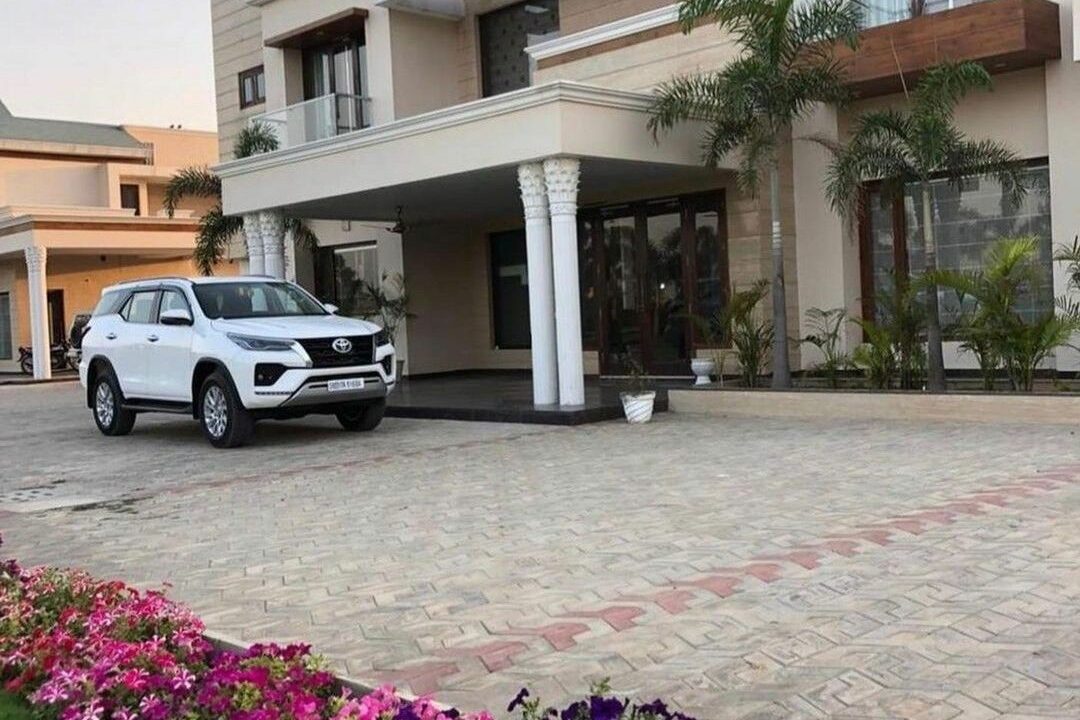
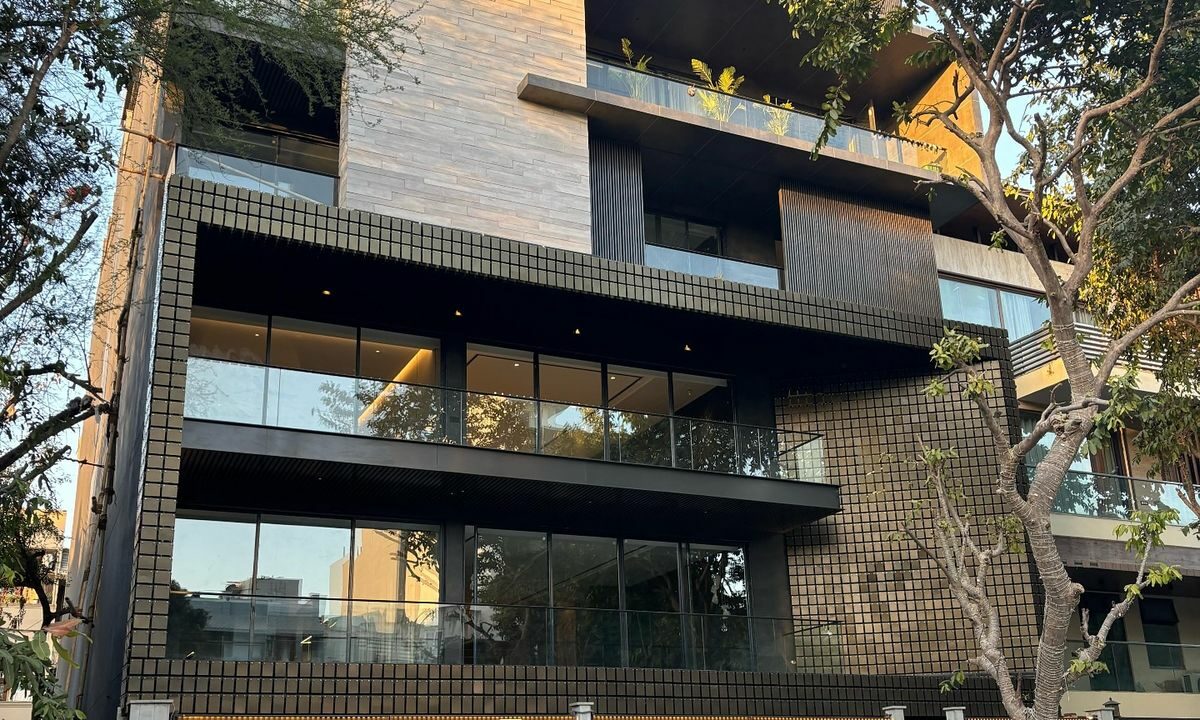
A builder floor is a single floor (or set of floors) within a low-rise structure, often developed by an individual builder or small developer. Ownership usually extends to the enclosed floor area and a proportionate share of the land. As a result, control, maintenance responsibility and community scale differ sharply from multi-tower apartments.
Who typically chooses a builder floor in Gurgaon
Buyers who prioritise lower common-area density, reduced elevator dependency, and a house-like layout often prefer builder floors. Investors looking for niche resale demand and end-users seeking fewer shared amenities are common buyers.
Monthly Upkeep: Who Pays What?
Running costs for builder floors vs high-rise apartments
Monthly upkeep divides into two parts: individual unit maintenance and shared/community costs. For builder floors, many routine expenses fall directly on the owner because the common infrastructure is limited. In contrast, high-rise apartments charge a collective maintenance fee that covers lifts, security, landscaping, and common utilities.
As a result, builder-floor owners manage or outsource services such as fa�ade care, drainage clearing, and stairwell cleaning. Meanwhile, apartment residents pay a regular maintenance charge that can simplify budgeting but may rise sharply when large repairs are needed.
Typical maintenance tasks and who arranges them
- Builder floor: Owners arrange housekeeping, pest control, and minor repairs individually; joint expenses can be shared among a few co-owners.
- High-rise: A resident welfare association (RWA) or property manager handles centralized services like elevators and lifts, backup power, and common-area cleaning.
Privacy, Shared Walls and Daily Living
Sound and visual privacy differences
Privacy is central to the buyer’s daily comfort. Builder floors usually offer higher privacy because there are fewer neighbours directly adjacent, and stair-based vertical movement reduces hallway traffic. High-rises concentrate units along corridors and elevator banks, increasing foot traffic and shared-wall exposure.
Shared walls, stacking and amenity proximity
Stacking of units in builder floors tends to be simpler with fewer shared walls per unit. In contrast, high-rises commonly have stacked units where systems (plumbing, HVAC) run vertically through multiple flats. Consequently, a single repair can affect several apartments simultaneously.
Land Share, Ownership Structure and Legal Considerations
Land share implications for builder floors
Buying a builder floor typically includes a fraction of the land ownership. This can result in stronger property rights compared with leased or purely apartment-housing models. However, shared decisions about external repairs and expansion depend on agreements between co-owners.
Title, approvals and RWA responsibilities
Legal clarity matters. Builder floor transactions require careful title verification and confirmation of sanctioned floor plans. High-rise purchases often involve a large developer with a structured RWA, but buyers should still verify completion certificates and shared-area by-laws.
Resale Dynamics: Liquidity, Buyer Pool and Price Drivers
Resale market behaviour for builder floor in gurgaon
Resale dynamics for a builder floor in Gurgaon depend on location, road access, and how the property compares to nearby towers. Many buyers looking for independent layouts or ground-floor access specifically search for builder floors, creating a distinct sub-market. However, liquidity can be slower than popular tower formats in micro-markets dominated by apartment complexes.
What high-rise buyers look for when reselling
High-rise apartments typically appeal to buyers who prioritise amenities, security and predictable maintenance. Resale values often hinge on developer reputation, ongoing maintenance standards and the strength of the building’s RWA. Towers in established clusters can see quicker resale because they match common search filters and financing patterns.
Practical Cost Comparison Table
| Criteria | Builder Floor | High-Rise Apartment |
|---|---|---|
| Monthly predictable charges | Lower fixed fees; variable ad-hoc maintenance | Higher predictable HOA fees; pooled reserves for large repairs |
| Privacy | Higher, fewer shared corridors | Lower, shared entrances and elevators |
| Land ownership | Proportionate land share possible | Undivided share with common ownership via society/association |
| Resale liquidity | Niche buyer pool; location-sensitive | Broader buyer pool in organised developments |
| Maintenance control | Direct control; hands-on | Managed by association or property manager |
Practical Insights: How Monthly Upkeep Affects Value
Why predictable charges matter for resale
Buyers, and therefore valuers, prize predictable running costs. A builder floor with ad-hoc maintenance can still command a strong price if its exterior and utilities are well-maintained and documented. On the other hand, an apartment with rising society charges may deter cost-sensitive buyers even if it offers premium amenities.
Maintaining a builder floor to maximise resale
- Keep a documented maintenance history for plumbing and electrical work.
- Invest in periodic fa�ade and roof upkeep to avoid large lump-sum repairs later.
- Agree on shared-area responsibilities with co-owners in writing.
Privacy Trade-offs and Soundproofing Solutions
Design decisions that increase privacy in a builder floor
Simple design choices can improve privacy substantially. For instance, locating bedrooms away from the common stairwell, using staggered windows, and adding local soundproofing can make a builder floor feel more independent than its footprint suggests.
Mitigating shared-wall noise in high-rises
Apartment buyers should inspect wall junctions, plumbing risers, and elevator shafts for potential sound transmission paths. Adding acoustic insulation during a renovation can improve comfort and, in some cases, support a better asking price at resale.
Financing, Insurance and Buyer Preferences
How lenders view builder floors vs apartments
Lenders are often comfortable financing both formats but will scrutinise title clarity and approvals for builder floors closely. For apartments in established towers, lenders often evaluate the developer’s track record and the society’s financial health.
Insurance and liability differences
Builder floor owners typically hold more responsibility for structure-level insurance and external repairs. Apartment owners rely on the society’s master insurance for communal areas while insuring interiors separately. Understanding this division helps buyers estimate out-of-pocket expenses after an incident.
Practical Buying Checklist for Comparison Shoppers
Inspect, verify, quantify
- Verify sanctioned plans, clear title and occupancy certificate for builder floors.
- Review recent society minutes and reserve fund details for high-rises.
- Ask for a breakdown of monthly maintenance and any upcoming major repairs.
Negotiation levers that matter most
- For a builder floor: request a clause for shared-exterior maintenance and get written agreement from neighbours.
- For an apartment: negotiate transfer of any pending maintenance liabilities and confirm payment history.
Common Mistakes Comparison Shoppers Make
Underestimating long-term maintenance for builder floors
Buyers sometimes focus on lower immediate fees and overlook longer-term responsibilities like roof repairs or fa�ade maintenance. These costs can be sizeable and sporadic, affecting net ownership cost over a decade.
Assuming apartment fees always provide better value
Higher society fees don’t automatically equal better upkeep. Check how funds are used, whether the RWA has a maintenance backlog, and how transparent the accounts are.
Resale Preparation: Practical Steps to Maximise Value
Staging and documentation for builder floors
Present a clear maintenance log, recent renovations with invoices, and photos of external conditions. Buyers value proof of regular upkeep when considering a builder floor in Gurgaon.
Society strength and resale for apartments
For high-rises, a healthy reserve fund, low arrears and professional management increase buyer confidence. Documenting these strengths can speed up resale and sometimes preserve price during soft markets.
Frequently Asked Questions
How much control do owners have over builder floor maintenance?
Owners typically control interior and immediate exterior maintenance. Shared responsibilities depend on agreements with co-owners; formal written arrangements reduce disputes and cost surprises.
Will a builder floor in Gurgaon appreciate as fast as an apartment?
Appreciation depends on location, infrastructure improvements and demand for independent layouts. While apartments in well-marketed projects can attract strong demand, builder floors in prime locations often retain steady interest from end-users.
Are maintenance fees higher for high-rises than for builder floors?
High-rises usually have higher recurring maintenance charges because they cover communal amenities and systems. Builder floors may have lower recurring fees but higher occasional lump-sum expenditures for shared structure repair.
Does land share for builder floors provide legal advantages?
Proportionate land ownership can offer stronger property rights, but it also creates the need for co-owner agreements. Legal clarity and sanctioned documentation are essential before purchase.
What should I check in society accounts before buying an apartment?
Review reserve funds, recent repair history, arrears by residents and planned major works. These indicate the society’s financial health and potential future fee hikes.
How can I reduce noise transmission in either property type?
Use acoustic insulation, seal plumbing penetrations and upgrade windows to double-glazed units where possible. Structural changes like staggered walls or floating floors can also help but require planning and permissions.
Which format is better for families with children?
Both work, depending on priorities. Families who want play space and fewer neighbours may prefer a builder floor. Those who value pool and playground amenities with managed security often choose apartments.
Final editorial perspective
Choosing between a builder floor in Gurgaon and a high-rise apartment depends on how you prioritise maintenance predictability, privacy and resale flexibility. Builder floors can deliver greater autonomy and a different buyer appeal, while apartments provide structured services and a broader secondary market. Assess location, legal clarity and documented upkeep before deciding; with careful due diligence you can select the format that aligns best with your lifestyle and investment goals, and position your purchase for durable resale value.