Why ₹15 Cr–₹17 Cr Builder Floors Represent Land-Rich Luxury Living
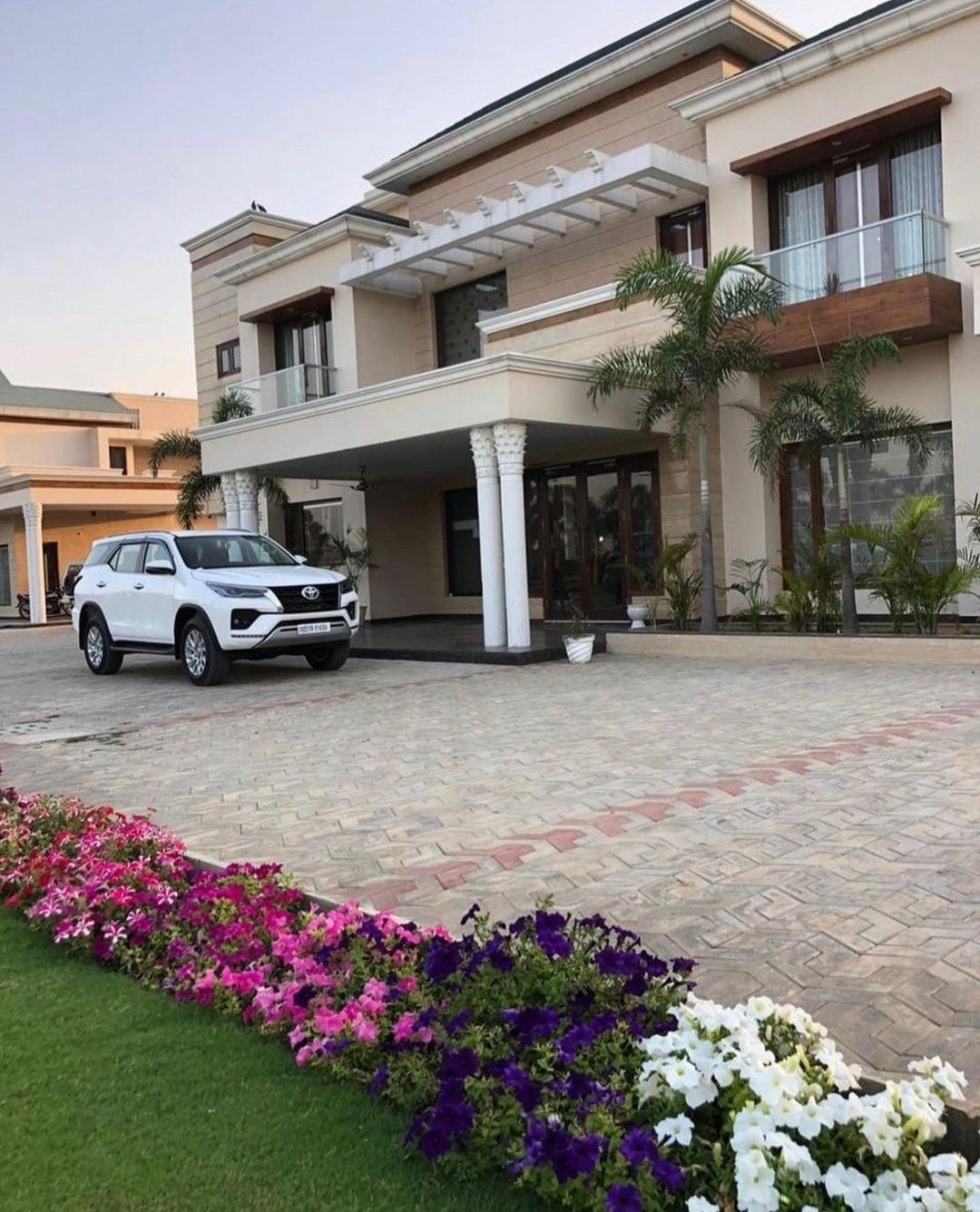
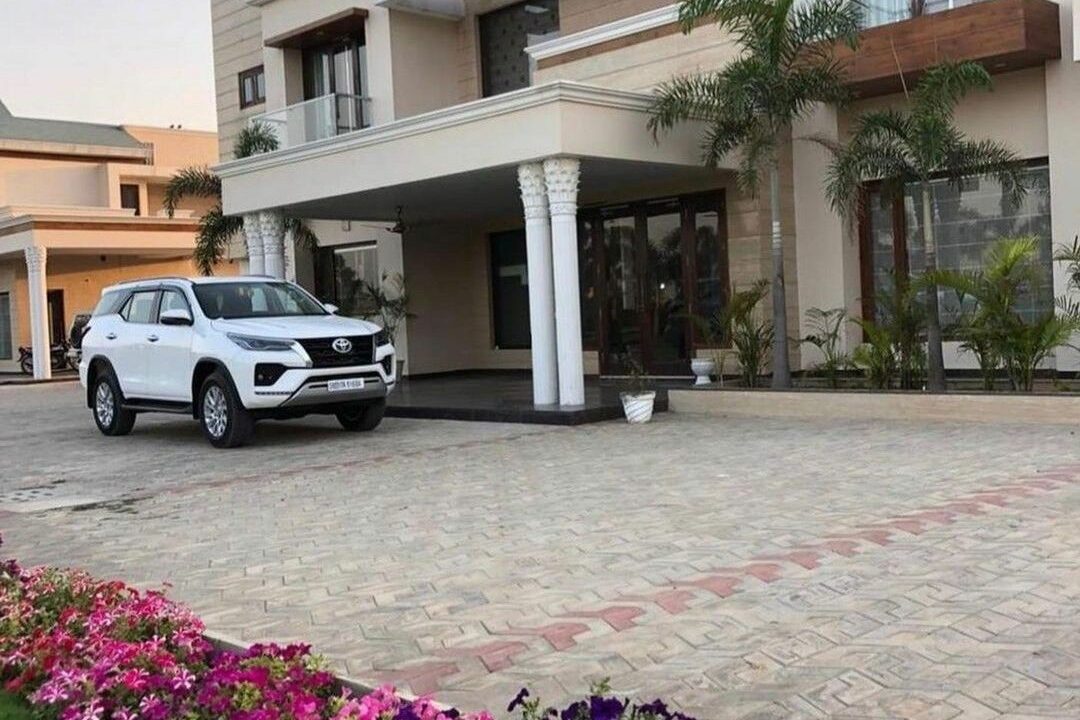
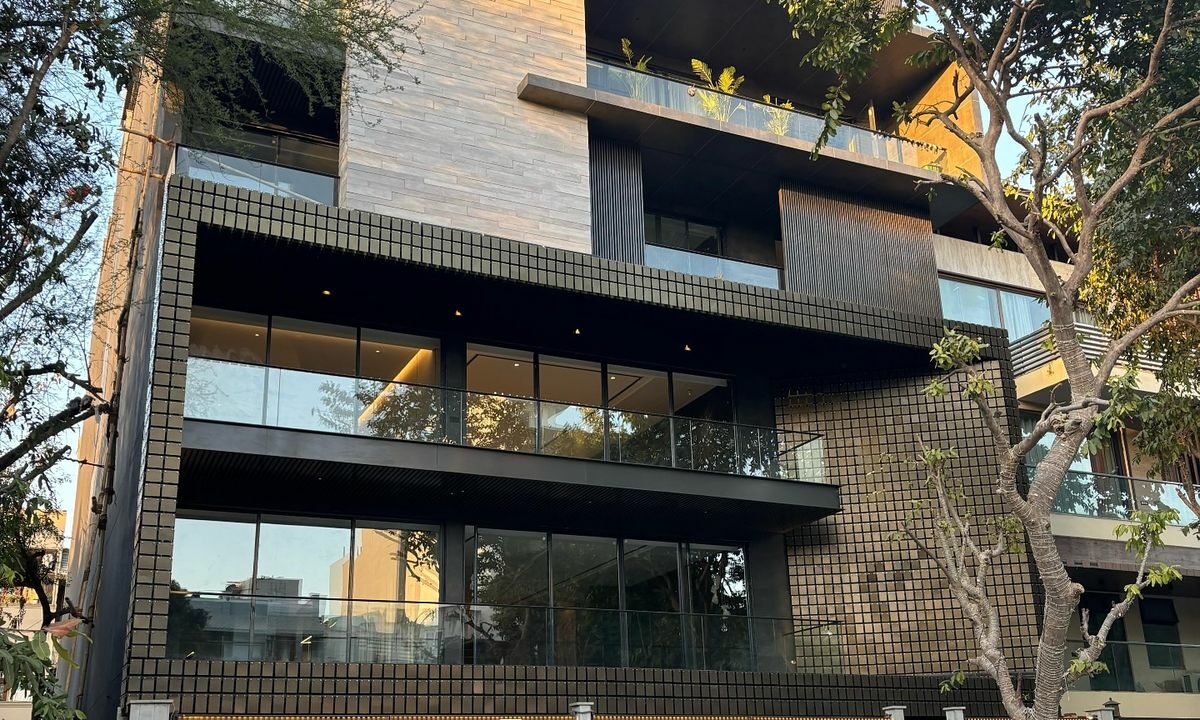
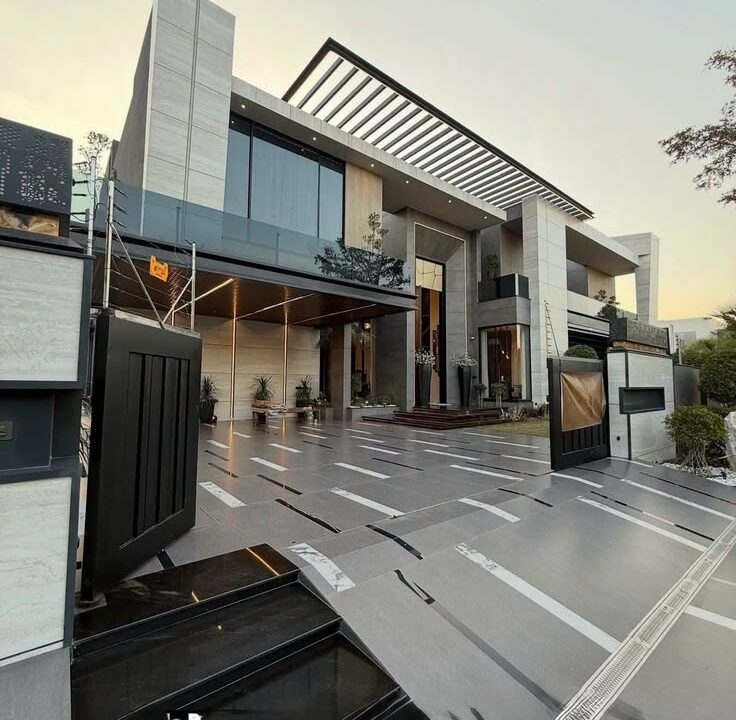
builder floors under 17 crore are drawing attention from land share investors who seek land-rich luxury with controlled scale, higher UDS, and portfolio diversification. This article explains why properties in the ₹15 Cr–₹17 Cr band deliver distinctive land-share advantages, what to verify before you commit, and how to model returns for long-term value.
Why builder floors under 17 crore represent land-rich luxury living
What “land-rich” means for a buyer of builder floors under 17 crore
Land-rich in the context of high-end builder floors means a greater undivided share (UDS) per unit. Developers allocate UDS based on plot area, layout, and unit mix. Consequently, buyers pay for more than the carpet; they buy a larger portion of the underlying land.
As a result, land-share investors gain stronger capital protection. Land scarcity and usable open area support both resale value and future redevelopment options.
How UDS translates into tangible benefits in the ₹15–₹17 crore segment
Higher UDS typically yields larger private gardens, wider setbacks, and better light and ventilation. In premium builder floors under 17 crore, expect fewer units per plot and larger individual land shares.
Consequently, these attributes attract quality tenants and end-buyers who value privacy and space, which supports rental premiums and deeper buyer pools.
Understanding undivided land share (UDS) and its role in valuation
UDS fundamentals every land share investor must know
UDS represents a proportionate ownership of the plot beneath a building. The value of UDS rises with land scarcity, legal clarity, and the potential for redevelopment.
For investor clarity, insist on the developer’s UDS calculation and the sale deed wording that confirms your undivided share. This reduces future disputes and preserves exit options.
How UDS affects maintenance, voting rights and redevelopment proceeds
UDS impacts recurring charges and decision-making. A larger UDS typically increases a flat owner’s share of maintenance but also boosts voting weight in resident welfare associations or co-owner decisions.
During redevelopment, UDS determines entitlement to new floor space or compensation. Investors should model both scenarios when comparing projects.
Local market dynamics for the ₹15 Cr–₹17 Cr builder-floor niche
Demand drivers for premium builder floors
Demand stems from high-net-worth individuals who prefer single-floor living without the operational complexity of a full villa. Additionally, families migrating from larger homes often seek similar privacy in a low-rise configuration.
Consequently, areas with strong schools, healthcare access, and established social infrastructure tend to outperform peers.
Supply considerations and why land scarcity matters
Land scarcity in mature suburbs tightens supply of large-plot builder-floor projects. Developers respond by launching mega-plot configurations with limited units and generous UDS.
Along with regulatory constraints, this constrained supply supports long-term price stability for the segment.
Investment analysis: returns, risks, and exit scenarios
Modeling returns for land-share investments
Start with a conservative projection: estimate annual price inflation, rental yield, and expected maintenance escalation. For builder floors under 17 crore, rental yields typically range lower than mid-market but capital appreciation can outperform due to land appreciation.
Include transaction costs, stamp duty, and holding costs. Run scenario analyses: base, optimistic, and stressed, to quantify downside risk.
Key risks and how to mitigate them
Major risks include disputed land titles, developer bankruptcy, and protracted approvals. Mitigate by insisting on clear title searches, escrow arrangements, and performance guarantees where available.
Also, verify the extent of UDS on title documents and confirm that common areas are properly described in the sale deed.
Legal due diligence checklist for land-share investors
Title and encumbrance essentials
Obtain certified title reports for at least 30 years. Verify that the land is free of mortgages, litigation, and government acquisition notices. These checks protect both capital and resale prospects.
Additionally, confirm that the seller has the authority to transfer UDS on the proposed terms.
Approvals, RERA compliance and occupancy certificate
Confirm valid building approvals, environmental clearances, and RERA registration where applicable. An occupancy certificate minimizes completion risk and confirms the property is fit for habitation.
As a result, well-documented projects offer smoother closings and stronger buyer confidence.
Practical buying guide for builder-floor purchasers
Site inspection and amenity assessment
Inspect common areas, boundary walls, and plumbing risers. Check landscape plans and road access. Amenities matter; they influence both occupier satisfaction and resale value.
Meanwhile, evaluate utility redundancy like backup power and water sources in premium projects.
Negotiation levers that matter to investors
Negotiate on phased payment schedules, possession timelines, and inclusion of specific finishes. For land-share investors, pressing for clearer UDS-related clauses can protect future redevelopment proceeds.
Therefore, use escrow or bank guarantees to reduce execution risk.
Design, build quality and lifestyle factors
Architectural features that enhance land value
Look for larger setbacks, higher floor-to-floor heights, and natural light strategies. These features increase perceived spaciousness and command premium pricing.
Furthermore, passive design reduces long-term operating costs and improves tenant comfort.
Service and management considerations
A reputable property manager or developer-run association preserves asset value. Confirm service-level agreements for landscaping, security, and common-area maintenance.
Consistent service improves tenant retention and simplifies resale marketing.
Comparing alternatives: builder floors vs. villas vs. apartments
Why some investors choose builder floors over villas
Builder floors often offer the privacy of a villa with lower acquisition and maintenance complexity. They require less land per unit, yet can provide similar UDS advantages in premium schemes.
Consequently, they appeal to buyers who want landed living without full plot ownership responsibilities.
When apartments outperform in an investor’s portfolio
Apartments can offer higher liquidity and structured amenities at lower entry costs. For investors prioritizing rental yield and ease of management, apartments may fit better.
However, in land-scarce micro-markets, builder floors under 17 crore can deliver superior capital appreciation.
| Comparison Factor | Builder Floors (₹15–17 Cr) | Villas | Apartments |
|---|---|---|---|
| UDS / Land share | High per unit, controlled supply | Full plot ownership | Lower UDS per unit |
| Privacy & Space | Very good | Excellent | Moderate |
| Maintenance Complexity | Moderate | High | Lower (shared) |
| Liquidity | Moderate | Lower | Higher |
Practical financial checklist before you bid
Cost items to include in your model
Account for acquisition price, stamp duty, registration, brokerage, loan interest during construction, and ongoing maintenance. Add renovation budgets if you plan to customize interiors.
Additionally, include vacancy months in rental forecasts to remain conservative.
Tax considerations and holding strategy
Understand capital gains implications for short- and long-term holdings. Work with a tax advisor to structure ownership if multiple investors share UDS.
As a result, you can optimize returns and reduce surprises at exit.
Negotiation and acquisition tips for land share investors
Timing and market windows
Monitor micro-market cycles. Buying near completion often provides better pricing power, while pre-launch offers can secure favorable UDS allocations.
Therefore, align purchase timing with your liquidity and holding-duration preferences.
Structuring co-investments and legal clarity
If buying with partners, clearly document UDS percentages, exit triggers, and dispute-resolution processes. A well-drafted co-ownership agreement protects all parties.
Consequently, you preserve the asset’s marketability and avoid governance deadlocks.
Frequently Asked Questions
What exactly is UDS and why does it matter for builder floors?
UDS is your proportionate share of the plot. It matters because it defines ownership stake, voting power, and redevelopment entitlement. Higher UDS often delivers better appreciation and clearer redevelopment claims.
Are builder floors under 17 crore a good hedge against inflation?
Yes. Land-backed assets typically keep pace with inflation. In mature micro-markets, the land component drives long-term capital growth, making builder floors under 17 crore effective hedges.
How do I verify the UDS stated by the developer?
Ask for sale deed clauses, plan annexures, and a certified UDS calculation. Cross-check with title reports and municipal records. If in doubt, engage a property lawyer to confirm accuracy.
What financing options exist for premium builder floors?
Banks and NBFCs offer home loans for builder floors, subject to UDS clarity and clear titles. Loan-to-value ratios may vary by lender and property age. Pre-approval helps during negotiation.
Can I rent out a builder floor purchased for ₹15–17 Cr?
Yes. Demand exists among expatriates, senior executives, and families seeking privacy. Expect rental premiums in well-located projects with strong amenities and high UDS.
What are common red flags in land-share projects?
Red flags include unclear title, multiple pending litigations, missing approvals, unrealistic possession promises, and ambiguous UDS documentation. Avoid transactions that lack transparent records.
Is a higher UDS always better for investors?
Generally, higher UDS improves long-term value and redevelopment entitlement. However, it can raise maintenance obligations. Evaluate both upside and recurring costs when choosing a property.
How should I plan exit strategy for a builder-floor investment?
Plan for a 5–10 year horizon. Maintain high-quality documentation and service levels to maximize resale value. Monitor local demand indicators to time the sale for peak liquidity.
Do builder floors under 17 crore require special insurance or protections?
Yes. Obtain property insurance covering fire, structural damage, and third-party liability. For co-owned plots, clarify who covers common-area insurance to avoid disputes.
Can UDS be fractionally transferred or sold later?
Yes, but transfers require updated deeds and often consent from co-owners. Fractional sale may complicate future sales, so formalize transfer procedures at purchase.
Choosing builder floors under 17 crore is a strategic decision for land share investors seeking a balance between landed living and manageable scale. With a disciplined due diligence checklist, clear UDS documentation, and conservative financial modeling, this segment can deliver durable capital appreciation and lifestyle appeal. As markets evolve, prioritize transparency and legal clarity to protect your land-rich investment and position it for future upside.