DLF Phase 1 & 2 Luxury Floors Under 17 Crore: A Complete Buying Guide
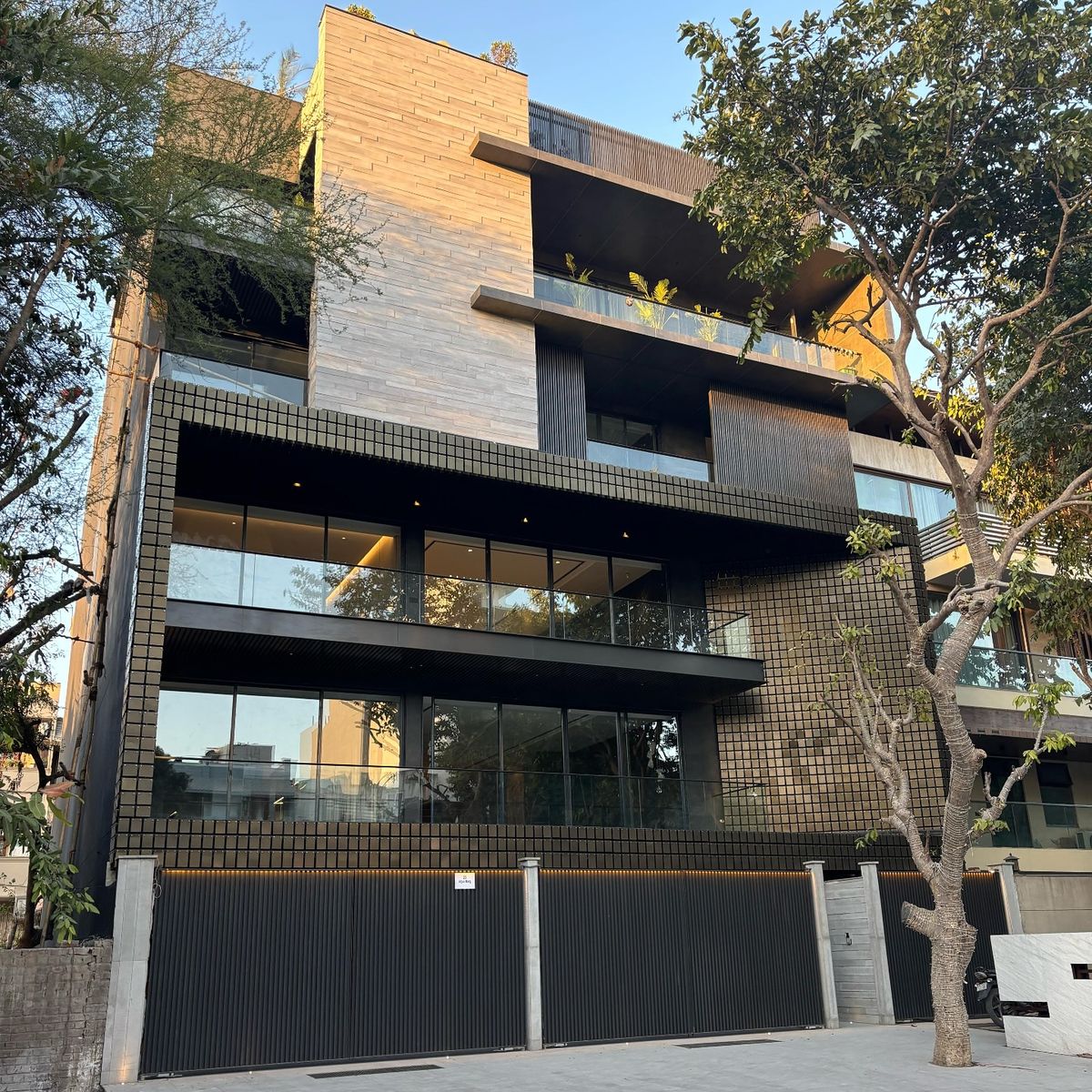
DLF builder floors under 17cr — DLF Phase 1 & 2 Luxury Floors Under 17 Crore: A Complete Buying Guide for Prime Heritage Buyers
DLF builder floors under 17cr are a distinct segment that attracts buyers who value legacy addresses, privacy and long-term capital preservation. In this guide I map Phase 1 and Phase 2 pockets that matter, explain scarcity dynamics, and set a practical buying checklist tailored for Prime Heritage Buyers focused on quality and legacy value.
DLF builder floors under 17cr: Buying map for Phase 1 & 2
This section explains where, why and how floors under 17 crore appear inside DLF Phase 1 and Phase 2, and the decisions a heritage buyer should prioritise. The market here is shaped by plot scarcity, gated enclaves and a stable demand pool of professionals, diplomats and long-term residents.
DLF builder floors under 17cr — Market snapshot
Phase 1 and Phase 2 are not identical. Phase 1 is compact, highly manicured and has fewer land parcels. Phase 2 has slightly larger blocks, planned green corridors and more modern utilities, yet both share strong civic upkeep. Consequently, DLF builder floors under 17cr in these sectors are typically limited, and supply is often seasonal and thin.
DLF builder floors under 17cr — Why floors appeal to heritage buyers
For Prime Heritage Buyers, floors offer a blend of villa-like privacy with manageable maintenance. Floors in Phase 1 and Phase 2 often sit on older, well-treed streets, delivering address prestige without the operational overhead of a standalone house. Buyers prioritise provenance, architectural character and neighbors who understand long-term stewardship.
Neighborhood prestige, plot scarcity and lifestyle in Phase 1
Phase 1 has a compact street fabric and some of the oldest, most coveted residential lanes. Land scarcity increases entry thresholds. As a result, well-executed builder floors here retain strong resale depth and emotional value.
Heritage addresses and coveted streets
In Phase 1, streets with mature trees, legacy villas and limited vehicle through-traffic create a micro-climate prized by buyers. These settings provide quieter living, discreet security and an architectural continuity that elevates land value over time.
Infrastructure, clubs, schools and green spaces
Phase 1 benefits from proximity to established clubs, premium schools and local parks. For buyers who value short drives and club memberships, this immediately translates to lifestyle convenience and long-term desirability.
Phase 2 — growth, stability and capital preservation
Phase 2 combines heritage streets with newer development pockets. Road connectivity and incremental infrastructure upgrades give buyers a balance of modern comforts and legacy appeal. Floors under 17 crore here can offer slightly more internal area or a newer fit-out compared with Phase 1.
Development pattern and resale strength
Phase 2 has seen a steady replacement of older single-storey homes with modern floors, often keeping setbacks and trees intact. This gradual rejuvenation supports price stability. Consequently, buyers focused on preservation and predictable appreciation find Phase 2 compelling.
Community profile and privacy
Phase 2 communities usually mix long-term families and new professionals. Gated compounds and discreet security practices preserve privacy. For heritage buyers, the combination of community continuity and respectful redevelopment is essential.
How to evaluate a builder floor under 17cr in DLF
Evaluating a builder floor requires both technical checks and an assessment of intangible value. Below is a practical checklist you can use during viewings and negotiations.
Checklist for physical inspection
- Structural integrity: Look for hairline cracks, uneven floors or signs of differential settlement.
- Plumbing and electrics: Confirm age of wiring, meter capacity and presence of modern safety switches.
- Ventilation and daylight: Floors with cross-ventilation and full-height windows age better in resale.
- Roof and terrace condition: Check waterproofing, drainage and usable terrace area for future landscaping.
- Access and parking: Verify dedicated parking and guest access; parking scarcity affects daily convenience and value.
Legal, title and compliance checks
Legal clarity is non-negotiable. Request clear title documents, sanctioned building plans, occupancy certificates when applicable and no-objection certificates for utilities. Check whether the builder floor is part of an RERA registration or local municipal records, and confirm property tax receipts and encumbrance certificates.
Pricing signals, negotiation and financing strategies
Understanding local pricing patterns helps craft intelligent offers. Floors under 17 crore sit in a premium micro-market; strategy matters more than aggressive discounts.
Valuation signals and comparable sales
Focus on recent transactions within the same street or similar-sized floors. Adjust for age, renovation level and private amenities. Use per-square-foot benchmarks as a starting point, then refine with on-ground insights like concierge availability and away-from-main-road positioning.
Financing options for high-net-worth buyers
High-net-worth buyers often prefer a mix of home loans and internal funds. Evaluate pre-approval for targeted bargaining power. Consider tenor and prepayment penalties if you plan an early exit. Some banks also offer tailored lending against premium properties; negotiate rates and margins accordingly.
Renovation, preservation and value-enhancing upgrades
Builder floors in DLF Phase 1 and Phase 2 benefit from tasteful upgrades that respect the neighbourhood fabric. Small, well-targeted works can materially improve comfort and resale appeal.
High-impact, low-disruption improvements
- Upgrade kitchen layouts for modern workflow rather than a complete gut; this reduces cost and timeline.
- Improve bathroom fixtures and waterproofing to avoid future litigation and maintenance costs.
- Invest in discreet security systems and noise-insulating fenestration to enhance daily living.
Preservation best practices for heritage buyers
Maintain original cornices, door frames and mature trees where possible. Authenticity often brings a premium among neighbourhood peers. When altering facades, consult municipal guidelines and aim for materials that age gracefully.
Practical negotiation tactics and timing
Buying a builder floor requires patience and selective timing. Luxury micro-markets move differently from mainstream segments.
When to act and when to wait
- Act when a property matches your checklist and has clear legal documentation.
- Wait if recent title transfers show unresolved encumbrances or if neighboring redevelopment plans are unsettled.
- Use market windows—festival seasons and fiscal-year ends often bring motivated sellers.
Tactical offer strategies for floors under 17cr
Open with a respectful, research-backed offer that signals sophistication. Offer to close on realistic timelines to outcompete speculative bidders. For legacy buyers, demonstrating readiness with verification documents accelerates trust.
Feature comparison: Phase 1 vs Phase 2 builder floors under 17cr
| Feature | Phase 1 | Phase 2 |
|---|---|---|
| Street character | Mature canopy, historic lanes | Mixed older and newer streets |
| Plot scarcity | Very high | High, with more pockets of redevelopment |
| Typical floor size | Modest but premium finishes | Often slightly larger or more modern layouts |
| Privacy | Exceptional | Very good |
| Resale dynamics | Deep, steady demand | Consistent demand, potential for faster modernisation |
Inspecting community and micro-location risks
Beyond the unit itself, evaluate immediate urban variables. Traffic patterns, upcoming road-widening, street-level commercial creep and utility easements can materially affect tranquillity and value. Ask the seller about any pending municipal notifications and observe street use at different times of day.
Common mistakes to avoid
- Relying only on advertised photographs—always inspect in person multiple times.
- Skipping full title search and encumbrance checks.
- Underestimating future maintenance costs for shared services and facade upkeep.
Expert tips for Prime Heritage Buyers
- Prioritise a small set of non-negotiables: location, legal clarity, and privacy.
- Engage a local heritage-aware architect for adaptive works that preserve character and add usable area.
- Use escrow arrangements and milestone-based payments to protect capital during renovation phases.
Frequently Asked Questions
What should I expect to pay for a DLF builder floor under 17cr in Phase 1 compared to Phase 2?
Expect a premium in Phase 1 for street prestige and scarcity. Phase 2 often offers slightly larger layouts or newer finishes for the same budget, but prices vary by exact street and renovation state.
Are there common legal pitfalls when buying a builder floor under 17cr?
Yes. Common issues include unclear title transfers, missing municipal approvals for added floors, and incomplete property tax histories. Always verify encumbrance certificates and sanctioned plans.
How important is parking for resale of a floor under 17cr?
Very important. Dedicated parking or a secure allocation in the compound directly affects daily convenience and resale appeal, especially for buyers who expect guest turnover.
Does renovation increase value proportionally for floors in these sectors?
Targeted renovations that improve utility and preserve character typically produce strong returns. Luxury cosmetic upgrades have diminishing returns unless they address core functionality.
What financing options suit high-net-worth buyers for floors under 17cr?
Buyers often use a combination of home loans and internal funds. Some lenders offer bespoke products with flexible repayment options; pre-approval improves bargaining power.
How long does it typically take to close a transaction for a builder floor here?
With clean documents and cooperative parties, closing can happen within 30–60 days. Delays usually stem from title verification, NOCs or bank loan processing.
Should I prioritise older character or a newer fit-out when buying?
For Prime Heritage Buyers, balance is key. Older character confers long-term prestige; a sensitive modern fit-out adds comfort without compromising provenance.
Can I expect future redevelopment nearby to affect values?
Yes. Sensitive redevelopment that respects scale and trees typically supports values. Large-scale projects or road expansions can temporarily disrupt desirability, so review local municipal plans.
Is the market for DLF builder floors under 17cr liquid?
Liquidity is moderate to strong for well-priced, legally clear floors. Scarce, well-maintained units in top lanes sell faster than generic offerings.
What due diligence should I complete before making an offer?
Complete title search, encumbrance check, building sanction verification, possession history and recent tax receipts. Combine these with physical inspection and neighbourhood checks at different times.
DLF builder floors under 17cr in Phase 1 and Phase 2 present a unique blend of legacy, privacy and investment resilience. For Prime Heritage Buyers, the right purchase prioritises clear title, thoughtful preservation and targeted upgrades that respect the street. With careful inspection, measured offers and attention to long-term stewardship, these floors can deliver both lifestyle and capital preservation — and remain a defining piece of a refined residential portfolio as the city evolves.