Why Ultra-HNIs Are Choosing ₹10 Crore Independent Floors Over High-Rise Condos
Why Ultra-HNIs Are Choosing ₹10 Crore Independent Floors Over High-Rise Condos — builder floor under 10 crore
builder floor under 10 crore is now a deliberate choice for many Ultra-HNIs who prioritise plot privacy, zero shared walls, and bespoke design freedom. This article analyses why independent floors in this price bracket outperform high-rise condos for privacy-minded estate buyers. It covers planning, construction, lifestyle, legal considerations and long-term value.
Why builder floor under 10 crore appeals to privacy-focused buyers
Direct plot control and single-owner privacy: builder floor under 10 crore explained
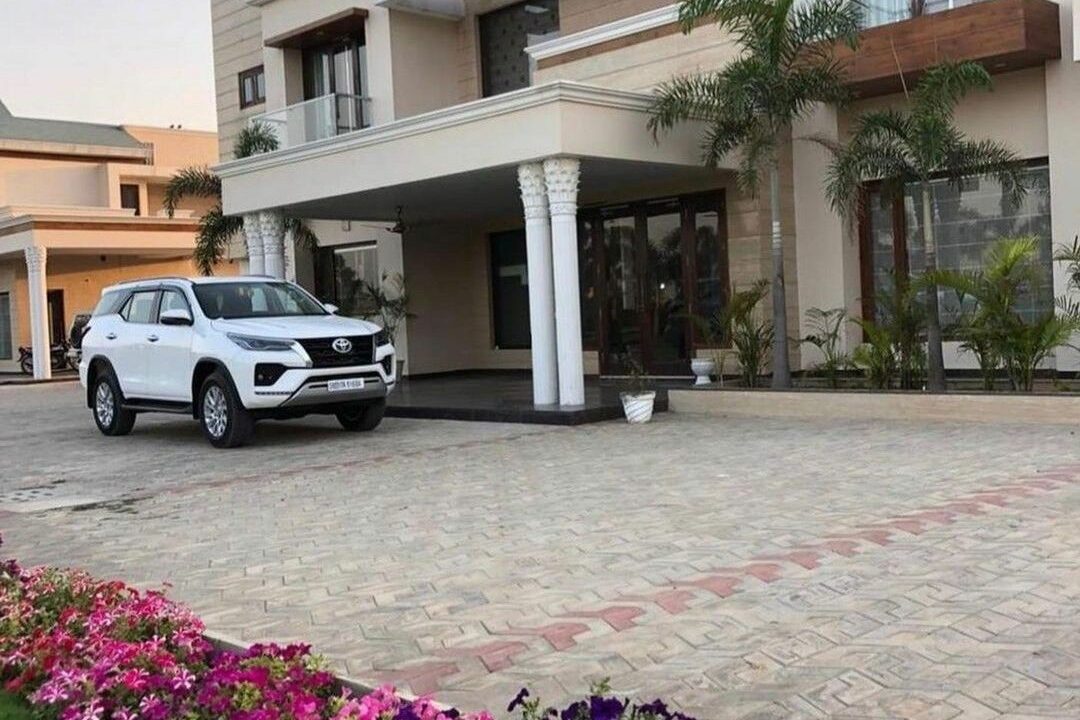
Ultra-HNIs favour absolute control over the immediate plot. A builder floor under 10 crore typically grants a buyer exclusive use of a private level or an entire independent floor without shared service corridors. As a result, residents avoid foot traffic and communal entrances common in high-rises. Consequently, privacy remains enforceable at all hours.
Estate-scale living with bespoke architecture: the design advantage
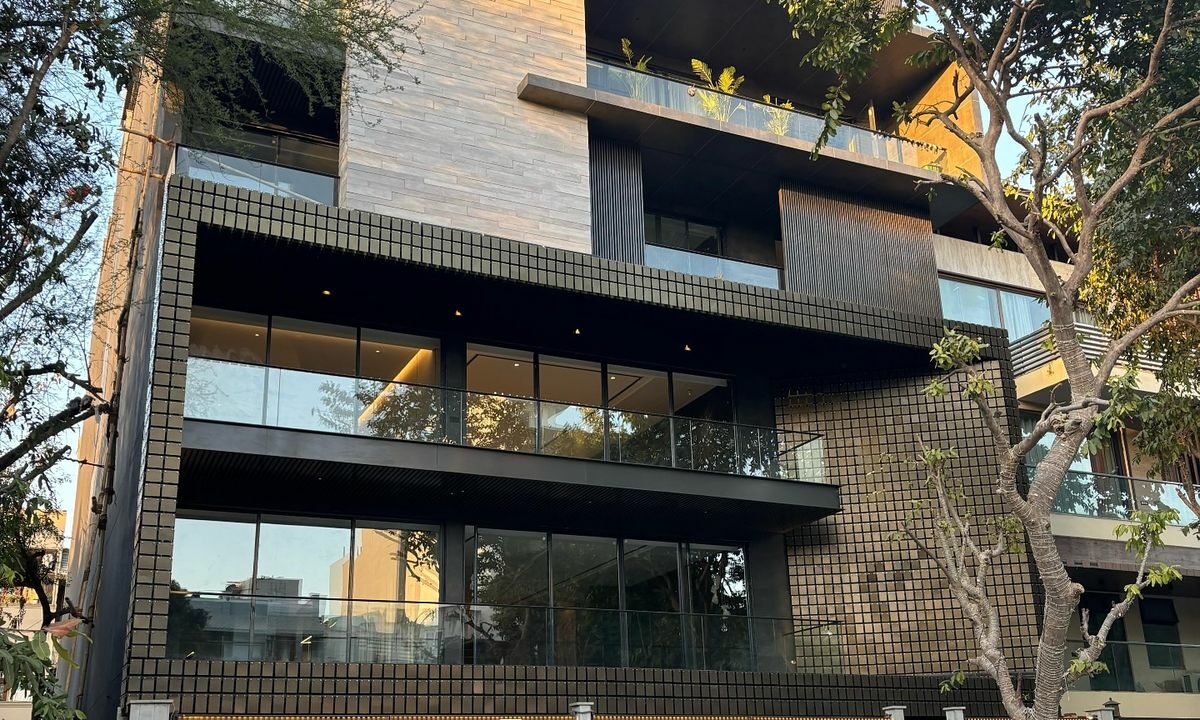
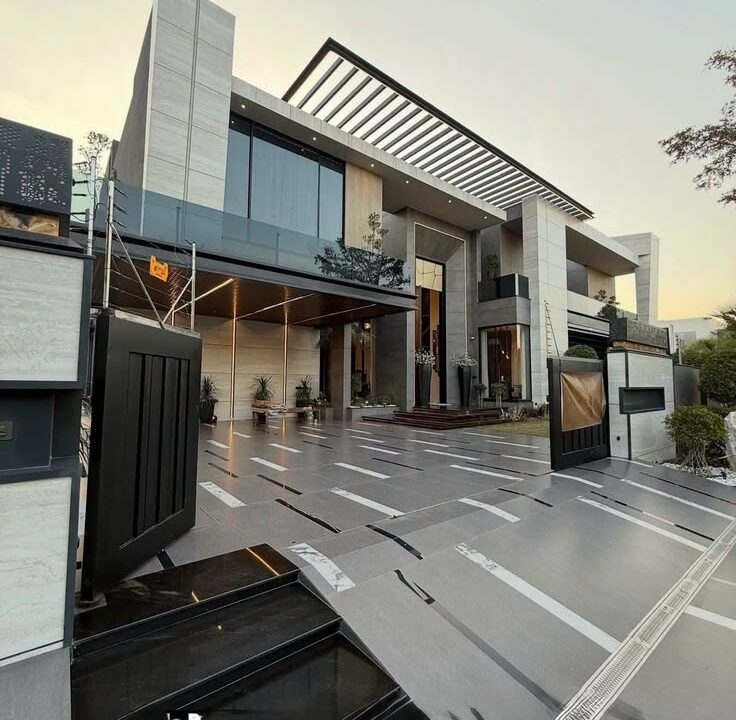
Independent floors allow bespoke spatial planning. Owners can specify private lifts, MEP layouts, and service cores. They can locate bedrooms, staff areas and secure storage exactly where they want. Therefore, a builder floor under 10 crore becomes a tailored estate rather than an apartment unit.
How privacy is achieved: plot layout, buffers and zero shared walls
Zero shared walls: practical benefits for Ultra-HNIs
Zero shared walls mean no noise transference from neighbours and reduced risk of visual intrusion. It simplifies security perimeters. Additionally, it lowers the chance of disputes tied to services or alterations. This clarity appeals to buyers seeking a discreet, controlled residence.
Plot buffers, landscaping and sightlines
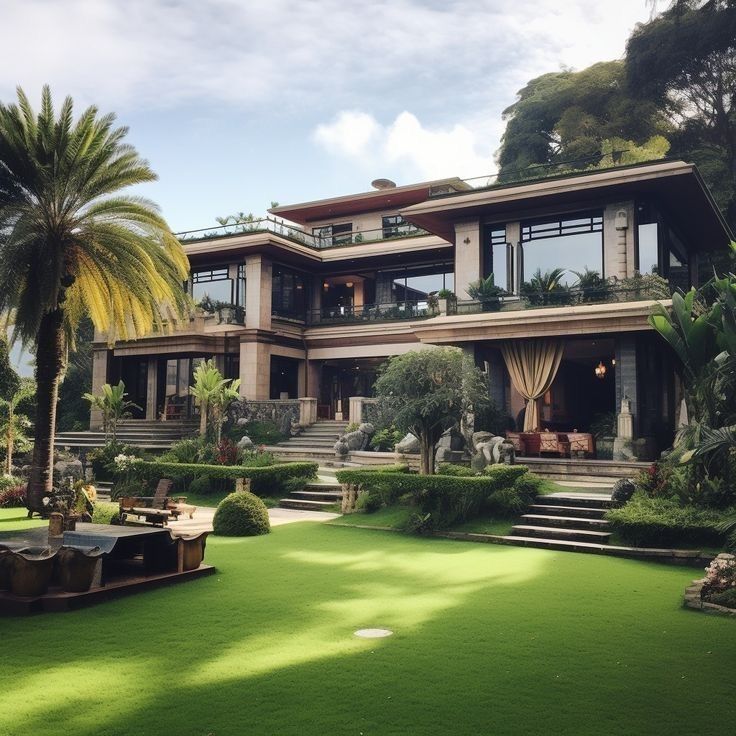
Designing a private plot focuses on buffers. Mature trees, boundary walls, and staggered setbacks create sightline control. Meanwhile, setback planning enables guest lanes, private driveways, and secure parking. These moves increase perceived privacy without sacrificing good light and ventilation.
Market context: why demand for independent floors has risen
Shifts in buyer priorities and pandemic-era preferences
Post-pandemic, buyers prioritised private open space and limited communal contact. Developers responded with low-rise, premium independent floors. As a result, a builder floor under 10 crore now packs high-end finishes, independent systems, and concierge-level services without the density of towers.
Supply-side dynamics and land economics
Land parcels suitable for ultra-luxury low-rise development are limited. Developers leverage plot-to-floor area ratios to create villa-like floors. Consequently, prices in the builder floor bracket rose as scarcity met demand from privacy and estate buyers.
Cost and value: what ₹10 crore buys you in an independent floor
Breakdown of construction, finishes and private systems
For ₹10 crore, buyers commonly secure a 3,000–4,500 sq ft independent floor in prime urban peripheries or central estates. Costs include structural slabs, private lift shafts, bespoke interior finishes, and independent HVAC or water treatment systems. As a result, operational independence lowers ongoing conflict over shared services.
Comparative long-term value versus high-rise condos
Independent floors often hold value because they offer adaptability. Owners can subdivide, expand vertically (where zoning allows) or tailor systems for energy efficiency. Meanwhile, high-rise condos may face uniform depreciation tied to communal maintenance and developer governance. Therefore, privacy-oriented buyers frequently see better legacy value in independent floors.
Lifestyle and service: concierge living without communal compromise
Curated privacy services and staff accommodation
Ultra-HNIs expect hospitality-level service. Independent floors allow private staff wings, secure service elevators, and segregated deliveries. Likewise, concierge teams can operate without exposing the owner to building-wide traffic. As a result, privacy becomes operational, not just architectural.
Outdoor amenities and private wellness spaces
Private terraces, plunge pools, roof gardens and internal courtyards deliver exclusive amenity access. These amenities avoid the scheduling and sharing constraints found in tower clubs. Consequently, owners enjoy uninterrupted leisure and personalised landscape design.
Regulatory, legal and practical checks for buyers
Title clarity, FAR and permissible uses
Confirm clear title and exact floor demarcation. Check floor-area-ratio (FAR), setbacks, and permissible built-up area. Additionally, validate whether the floor’s deed allows independent services. These checks prevent later disputes and protect the buyer’s right to privacy.
Maintenance, strata alternatives and governance
Independent floors often adopt bespoke maintenance agreements rather than condominium strata. Buyers should draft service-level agreements covering common driveway, gatehouse, and security. Consequently, owners maintain control while sharing necessary costs.
Comparison: independent floors versus high-rise condos
| Feature | Independent Floor (builder floor under 10 crore) | High-Rise Condo |
|---|---|---|
| Privacy | High — private access, no shared walls | Moderate — shared corridors, common amenities |
| Design freedom | Extensive — bespoke MEP, private lift options | Limited — subject to developer specifications |
| Maintenance model | Custom SLA or private arrangement | Strata/HOA with fixed rules |
| Security control | Owner-defined perimeters and systems | Centralised building security |
| Resale and legacy value | Stable to appreciating for estate buyers | Dependent on building condition and HOA |
Architectural and service design checklist for buyers
Spatial priorities and MEP independence
Prioritise separate MEP risers, private lift access, and independent HVAC. Also, specify secure staff quarters and dedicated delivery paths. This design reduces cross-contact and preserves estate-class privacy.
Landscape, light and orientation
Request daylight studies and wind analysis. Opt for orientation that maximises sun access while shielding sightlines. Additionally, integrate water harvesting and waste segregation for sustainable operations.
Common mistakes and expert tips from estate advisors
- Assuming all independent floors offer equal privacy — verify boundaries and easements.
- Neglecting service agreements — draft clear maintenance contracts before purchase.
- Overlooking vertical expansion constraints — confirm permission for additions.
- Underestimating lifecycle costs — include private system maintenance in budgets.
- Skipping bespoke security audits — customise systems for the plot and family routine.
Expert tip: Engage an architect experienced in low-rise luxury. They will balance privacy, light, and MEP segregation. Meanwhile, hire a concierge consultancy to align service expectations with operational practice.
Financing, taxation and ownership structures for high-net-worth buyers
Financing options and lender preferences
Many lenders provide bespoke loans for independent floors with clear titles. Wealth buyers often combine mortgage financing with trust or family office structures. As a result, financing can match long-term estate planning rather than short-term yield.
Tax, succession planning and asset protection
Independent floors fit estate planning well. Owners can place property in trusts, hold via companies, or structure ownership across family members. Consult tax and legal advisors to optimise for transfer, inheritance and municipal levies.
Investment outlook: liquidity, rental and legacy considerations
Rental demand and niche markets
High-end renters seeking privacy prefer independent floors. Demand remains niche but stable. Investors who target privacy-driven tenants often command premium rents and longer tenancies.
Resale signals and estate-level appeal
Resale success hinges on location, plot depth, and service quality. Consequently, properties offering demonstrable plot privacy, no shared walls, and high-spec systems retain buyer interest among Ultra-HNIs and family offices.
Purchasing roadmap for a privacy-focused buyer
- Define privacy goals: staff quarters, private lift, buffer zones.
- Shortlist locations with proven estate demand.
- Commission title and FAR checks with a specialist conveyancer.
- Appoint architect and security consultant before finalising purchase.
- Negotiate a maintenance/service agreement and scope of private systems.
Additionally, stage a site visit at multiple times of day. Privacy and light conditions shift. Consequently, this practice uncovers noise sources and neighbouring sightlines that plans alone may not reveal.
Frequently Asked Questions
What does a builder floor under 10 crore typically include?
It typically includes a high-spec independent floor with private access, bespoke finishes, and independent services such as a private lift or HVAC. Sizes vary, but buyers can expect estate-grade amenities at this price point.
How does privacy in an independent floor differ from a luxury condo?
Independent floors eliminate shared walls and often provide exclusive access routes. In contrast, luxury condos rely on shared corridors and communal services, which reduce control over access and privacy.
Are maintenance costs higher for a builder floor under 10 crore?
Not necessarily. Maintenance becomes predictable through tailored service agreements. While owners bear direct costs, they also control service levels and can limit wasteful shared expenses.
Can I customise an independent floor after purchase?
Yes. Customisation is a core benefit. However, confirm structural limits and local zoning rules before significant alterations. Obtain necessary permissions to avoid legal or insurance problems.
Is resale easier for independent floors compared with high-rises?
Resale depends on location and the strength of estate demand. Independent floors often hold appeal among privacy buyers and family offices, which can improve liquidity in the right markets.
What legal checks are essential before buying?
Check title clarity, FAR, encumbrances, and whether service areas are properly demarcated. Also validate easements and rights-of-way that might affect privacy or access.
How should I plan security for a private floor?
Combine physical measures with operational rules: gated entry, surveillance on perimeter, secure delivery corridors, private staff access and bespoke alarm systems. Align protocols with daily routines for maximum effectiveness.
Are independent floors a good long-term investment?
For privacy-focused buyers, yes. They provide adaptability and legacy potential. Long-term value depends on location, build quality, and the clarity of maintenance and governance structures.
Purchasing a builder floor under 10 crore offers Ultra-HNIs a rare combination: absolute privacy, no shared walls, and the freedom to craft an estate-class home within an urban context. These properties require careful due diligence, bespoke service planning, and thoughtful architecture. When those elements align, the result is a durable, private residence that serves both present lifestyle and long-term legacy needs, and it often outperforms high-rise alternatives in the markets that matter most to privacy and estate buyers.