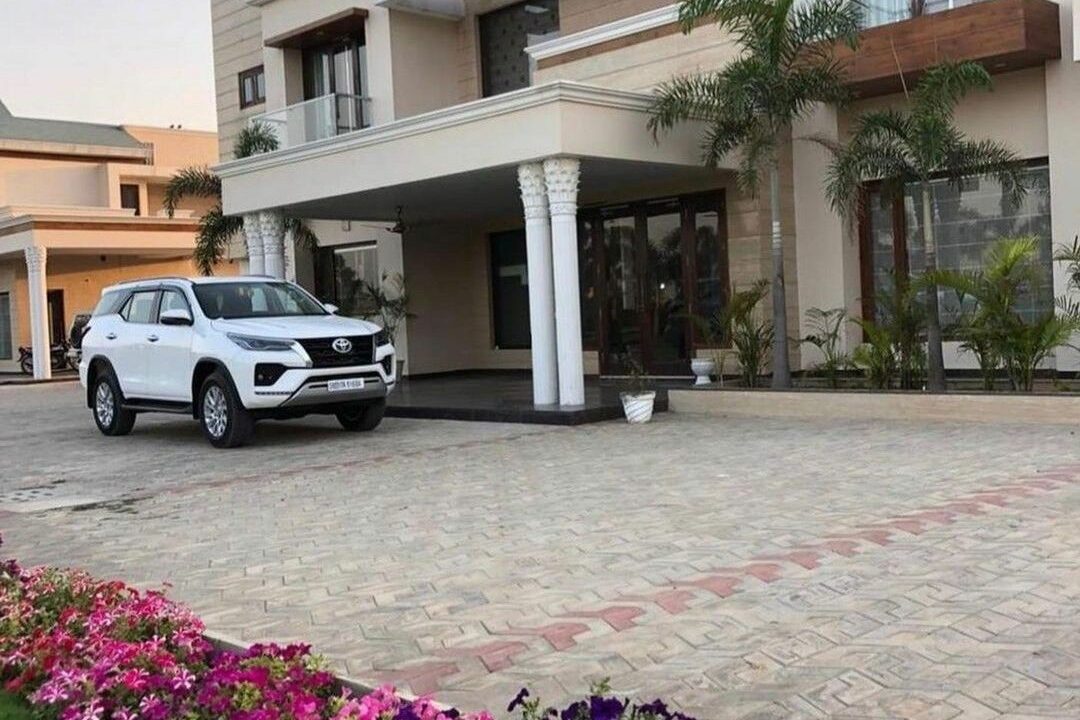
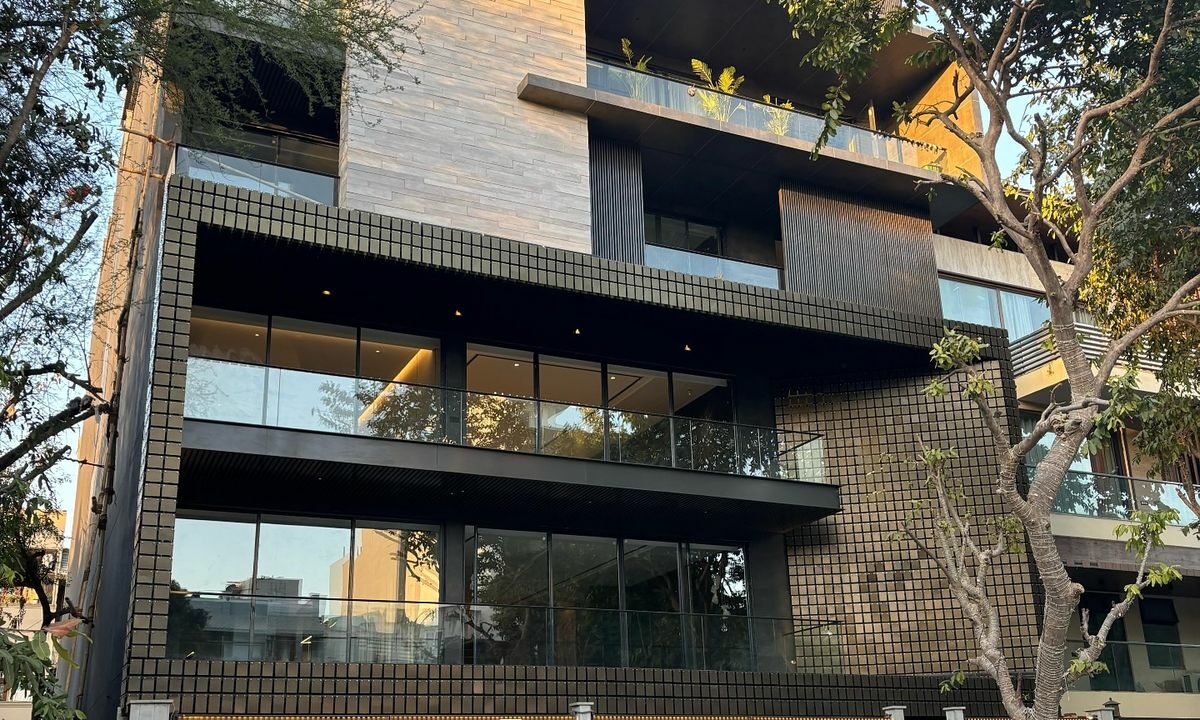
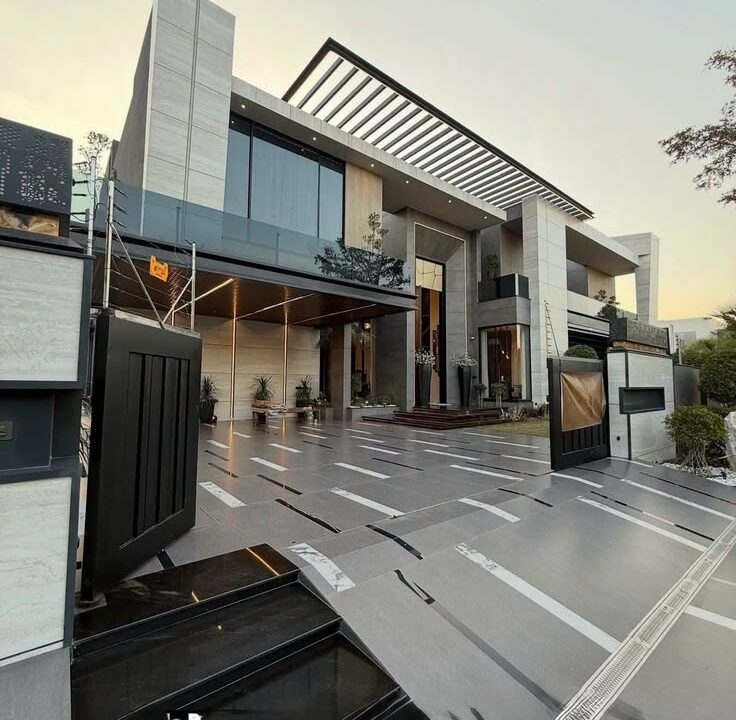
Why ₹4 Cr to ₹5 Cr is the Sweet Spot for Luxury Independent Floors
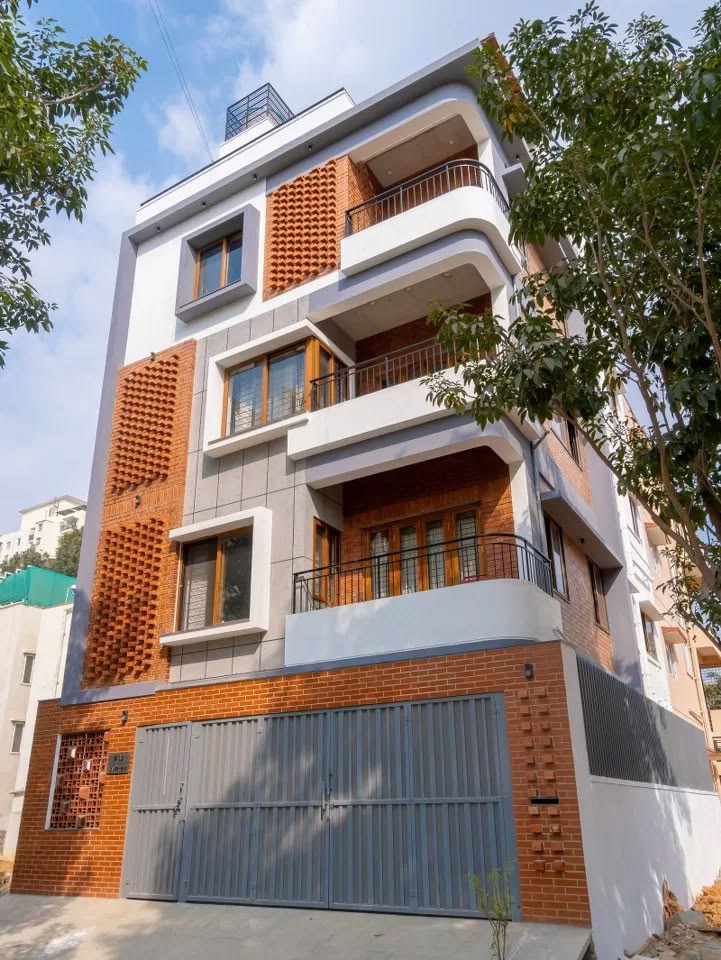
Why ₹4 Cr to ₹5 Cr is the Sweet Spot for Luxury Independent Floors — builder floors under 5cr is a practical buying and market analysis for value-focused buyers. The phrase builder floors under 5cr appears early because this guide targets buyers who want premium location without paying a super-prime premium.
Why the ₹4–5 Cr band matters for luxury independent floors
Buyers in this band seek both a high-quality home and strong resale value. They want visible lifestyle upgrades, and they expect delivery standards to match price. Therefore choices must balance price per square foot and location.
Developers price floors to reflect finishes, floor plates, and maintenance regimes. Meanwhile, location controls long-term growth. As a result, the ₹4–5 Cr segment becomes a decision point: choose more area in a secondary pocket or less area in a top-tier neighbourhood.
What value-maximizing buyers want
Value-maximizers prioritize quality and future liquidity. They look for efficient layouts, stable maintenance costs, and strong local demand. They prefer neighbourhoods with proven amenities rather than speculative promises.
Consequently, features like independent entry, private terraces, and secure parking gain outsized importance. These features preserve value and make the property easier to rent or resell.
How price per sq ft and location interact
Price per square foot determines immediate affordability. Location influences long-term appreciation. Therefore a balanced decision weighs both. In some cases, a 10–15% premium on price per square foot in a top location yields superior returns.
Meanwhile, a lower ppsf in a peripheral area can give more space now but may limit liquidity later. As a result, buyers must model both scenarios before committing.
builder floors under 5cr: How this band balances ppsf and top-tier location
The label builder floors under 5cr captures properties that sit below a psychological and market threshold. Buyers see this ceiling as a gateway to premium neighbourhoods without entering ultra-luxury pricing.
Developers position these floors to appeal to discerning buyers who want the advantages of independent living—privacy, flexibility, and control—without paying super-prime rates.
Why builder floors under 5cr are attractive in top locations
In established pockets, this band often secures a sizeable floor plate. Buyers keep proximity to transit, schools, and retail. Consequently, the property remains in demand and easier to sell.
Additionally, buying in a proven location reduces execution risk. Legacy infrastructure and stable demand matter more than speculative projects when value preservation matters.
Common trade-offs for builder floors under 5cr
Buyers typically trade off built-up area or ultra-luxury finishes. They accept slightly smaller terraces or simpler concierge services. However, they usually retain essentials: good ventilation, ample natural light, and quality plumbing and electrical fit-outs.
Therefore buyers should prioritise layout efficiency and long-term maintenance predictability over decorative extras that add little to resale value.
How to evaluate price per square foot within the ₹4–5 Cr framework
Assessing ppsf starts with comparing similar completed sales. For new launches, compare developer track records and the status of construction. Also, adjust for net usable area versus carpet area.
Always calculate effective cost per usable square foot. A larger inefficiency in common area ratio can inflate the apparent value of a cheaper ppsf.
Practical steps to verify ppsf claims
- Request a break-up of super built-up, built-up, and carpet area.
- Compare completed-unit transactions in the same micro-market.
- Check for one-time charges such as parking, club membership, or GST differentials.
Consequently, a thorough ppsf check prevents surprises during possession and keeps running costs predictable.
How ppsf translates to usable lifestyle value
Higher ppsf can be justified by superior location, better light, and stronger community amenities. Meanwhile, lower ppsf might buy space but not lifestyle convenience.
Therefore map daily routines: commute times, school access, and healthcare. These translate intangible location benefits into measurable value.
Deciding factors for Value-Maximizing Buyers
Value-maximizers make choices that preserve optionality. They plan for both occupation and exit. As a result, their checklist targets liquidity, running costs, and immediate satisfaction.
Essential physical attributes to prioritise
- Orientation and natural light to reduce long-term energy costs.
- Efficient layout to maximise usable area within the floor plate.
- Quality core systems—plumbing, power backup, and façade materials.
These elements sustain comfort and reduce upgrade expenses after purchase.
Neighbourhood and demand indicators
- Transport accessibility: transit nodes and commute patterns.
- Institutional anchors: schools, hospitals, and corporate hubs.
- Retail and lifestyle density that sustains rental and resale demand.
As a result, properties close to these anchors tend to hold value better than isolated options.
Market comparison: ₹4–5 Cr versus higher and lower bands
Understanding adjacent price bands helps frame opportunity cost. Compare three scenarios: slightly below ₹4 Cr, ₹4–5 Cr, and above ₹5 Cr.
Each band brings different benefits and risks. Make trade-offs consciously instead of reacting to sticker price alone.
What you get below ₹4 Cr
More floor area or a newer finish in peripheral pockets. However, demand may be concentrated among budget buyers and investors seeking yield rather than long-term appreciation.
Therefore liquidity can fluctuate, especially during market downturns.
What you get above ₹5 Cr
Typically larger terraces, exclusive amenities, or ultra-prime addresses. Luxury features and bespoke finishes appear frequently. But these premiums carry a thin buyer pool and often command longer time-to-sale.
Consequently, exit timelines may extend, and resale discounts may be wider in weak markets.
Practical checklist and negotiation tactics for buyers
Good negotiation starts with knowledge. Document comparisons, list must-haves, and identify negotiable items such as parking, maintenance deposits, and finish upgrades.
Also, structure negotiations to capture both price and post-sale assurances.
Pre-offer checklist
- Confirm title clearances and RERA or local approvals.
- Validate developer track record and completion timelines.
- Verify sample flat quality and confirm delivery specifications.
As a result, you reduce project risk and avoid late-stage surprises.
Negotiation levers that preserve value
- Ask for parking inclusion or waiver of one-time charges.
- Negotiate for improvement credits instead of cosmetic upgrades.
- Obtain a written timeline for handover and penalty clauses for delays.
These levers improve immediate value and protect future liquidity.
Feature comparison table: What ₹4–5 Cr typically buys
| Feature | Typical in ₹4–5 Cr | Buyer benefit |
|---|---|---|
| Carpet area | Moderate to large, depending on location | Comfortable living without extreme compromise |
| Location | Near primary transit or established suburbs | Better long-term demand and daily convenience |
| Finishes | High-quality standard finishes; optional upgrades | Lower immediate renovation cost |
| Amenities | Selective—security, parking, basic recreation | Maintains lifestyle without high maintenance fees |
| Resale liquidity | Strong in proven micro-markets | Easier future sale or rental |
Due diligence checklist: documents, costs and red flags
Thorough due diligence resolves most post-purchase regrets. Focus on legal clarity, structural soundness, and predictable carrying costs.
Key documents to verify
- Title deed and encumbrance certificate.
- Clearances from municipal and development authorities.
- Sale agreement with a detailed schedule of charges.
Without these, buyer risk increases significantly.
Common red flags
- Repeated delays without liquidated damages.
- Unclear maintenance commitment post-possession.
- Missing approvals or contested land records.
Address these before signing. As a result, you protect both capital and peace of mind.
Practical financing and tax considerations
Financing terms affect total cost. Secure pre-approval to strengthen negotiating position. Also, plan for stamp duty and registration costs, which can materially change cash flow.
Tax treatment differs by use-case—own occupation versus rental. Consult a tax professional to maximise benefits and avoid surprises.
Loan strategies for value-maximizers
- Compare interest rates, prepayment penalties, and processing fees.
- Choose fixed-rate for stability if the horizon is short-term.
- Consider a larger down payment to lower EMI and improve yield if renting out.
These choices shape monthly affordability and long-term return.
Tax implications to consider
- Principal and interest deductions for owner-occupied loans.
- Rental income taxation and maintenance deductions for investment units.
- Long-term capital gains rules on exit.
Therefore early tax planning improves net returns and avoids last-minute adjustments.
Frequently Asked Questions
What defines a builder floor and why choose one?
A builder floor is a single-level apartment in a low-rise building developed typically by a builder on a plot. Buyers choose them for privacy, independent entry, and independent services such as parking and terrace use.
Are builder floors under 5cr a good investment?
They can be, when located in proven micro-markets with stable demand. Value depends on location, build quality, and future supply. Therefore perform location-led due diligence before purchase.
How do running costs compare for floors in this band?
Running costs tend to be moderate if the development has planned amenities and a clear maintenance policy. Ask for a projected annual maintenance estimate to budget correctly.
Should I prioritise area or location in this price range?
Prioritise location for long-term liquidity. If the market is stable, a slightly smaller unit in a top location often outperforms a larger unit in a distant pocket.
What negotiation points yield the biggest savings?
Parking inclusion, waiver of transfer fees, and absorbable fit-out credits yield immediate value. Also, negotiate possession timelines and penalty clauses for delays.
How long does it typically take to resell a property in this band?
Resale timelines vary by micro-market. In established pockets with consistent demand, resale can occur within months. In weaker markets, expect a longer time-to-sale and potentially deeper discounts.
Can I rent out a builder floor purchased in this price range?
Yes. These floors often attract families and professionals seeking privacy. Renting helps offset carrying costs, but screen tenants carefully and budget for vacancy periods.
What maintenance clauses should be in the sale agreement?
Include clear monthly maintenance estimates, a defined maintenance fund, and a governance structure for disputes. These clauses protect buyers from surprise levies after possession.
How do I assess developer credibility?
Review past project delivery records, speak to existing homeowners, and check for pending litigations. Reputation for timely delivery and transparent billing matters most.
Choosing a luxury builder floor in the ₹4 Cr to ₹5 Cr window is about balancing immediate living quality and long-term liquidity. Buyers who prioritise efficient layouts, proven neighbourhoods, and clear legal documentation gain the most durable value. This guide has focused on practical checks—ppsf assessment, negotiation levers, and due diligence—to help value-maximizing buyers make a confident decision about builder floors under 5cr, while keeping an eye on future market dynamics and lifestyle needs.