
Dwarka Expressway Real Estate Review: Low-Rise Builder Floors vs High-Rise Apartments
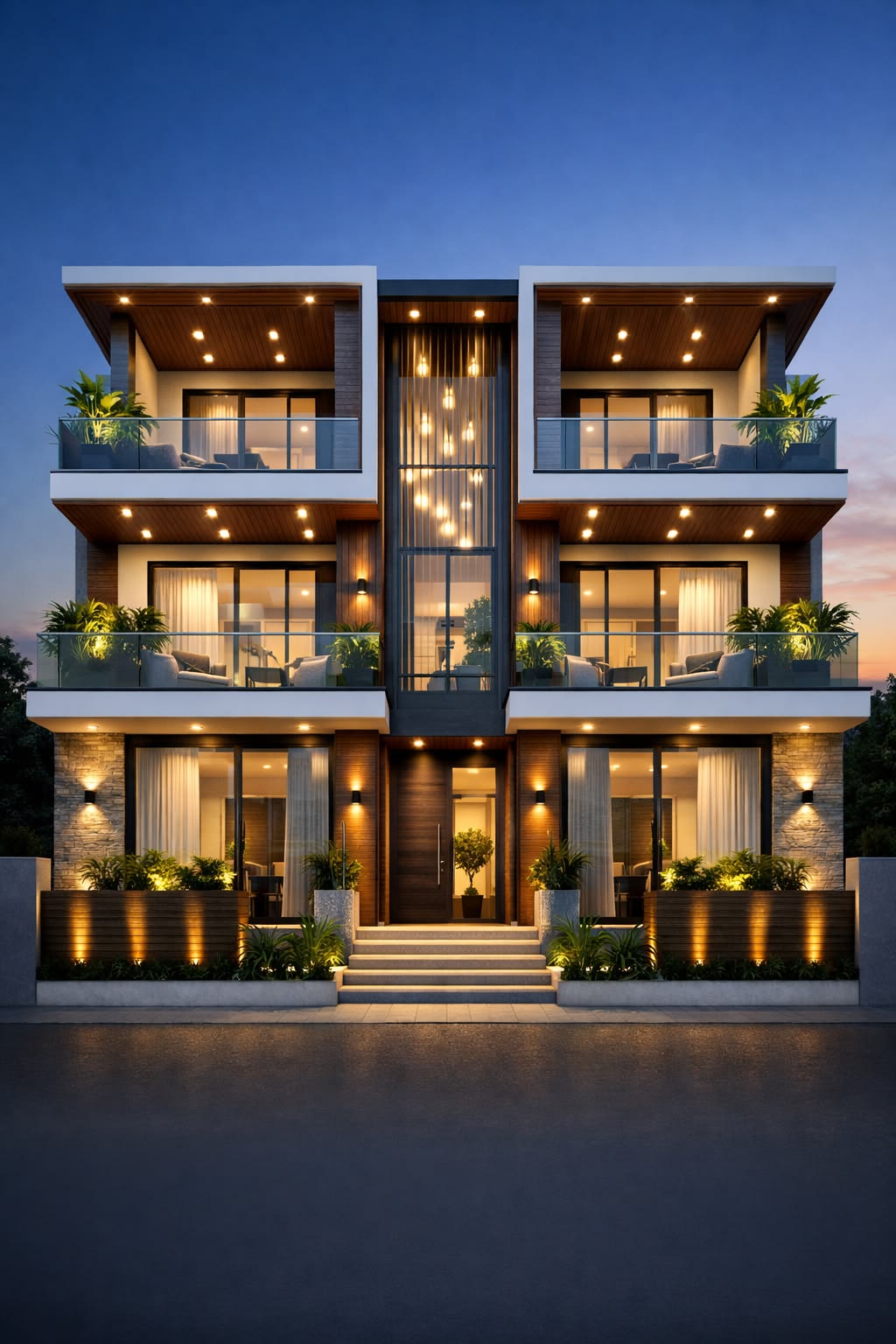
Dwarka Expressway Real Estate Review: Low-Rise Builder Floors vs High-Rise Apartments — this guide starts with a focused look at the builder floor on dwarka expressway option and explains how it compares to high-rise living for privacy-conscious buyers.
Market snapshot for Dwarka Expressway
Dwarka Expressway has shifted from a peripheral corridor to a mainstream residential axis. Developers launched mixed formats. Buyers now choose among gated townships, stacked builder floors, and tall apartment towers.
Pricing and inventory vary by micro-location. Consequently, buyers need context. This section gives a concise market view to ground the privacy comparison that follows.
Demand, supply and pricing trends
Demand rose for well-located units. Supply responded with large high-rise blocks and smaller builder-floor clusters. Prices near metro links and expressway ramps are stronger. Therefore, location trumps format on long-term appreciation.
Buyer profile on the corridor
Buyers include families, NRI investors, and professionals. Privacy-conscious buyers often prefer fewer shared walls and controlled entry. Meanwhile, investors may favour higher-density products for rental yield.
builder floor on dwarka expressway: privacy, maintenance and roof rights
Builder floors are low-rise, often limited to two or three stacked units per building. They appeal to buyers wanting a near-standalone feel without the cost of a villa. Many privacy-concerned buyers view them as a middle ground between an apartment and an independent house.
Privacy considerations for builder floor on dwarka expressway
Builder floors provide private entryways in some projects. Windows face fewer neighbours. Noise transfer is lower. As a result, residents experience a stronger sense of personal space. However, privacy varies with layout and orientation.
Roof rights, terraces and extension potential
One critical advantage is roof and terrace access. Many builder-floor layouts include a private terrace or clearly defined roof rights. You can add features like a private deck or solar array, subject to permissions. Consequently, roof control boosts privacy and utility.
High-rise apartments: density, maintenance and privacy trade-offs
High-rise apartments concentrate units vertically. They deliver amenities, security teams, and shared facilities. This appeals to buyers who prioritise low on-site maintenance and community living.
Yet density introduces compromises. Elevator traffic, shared corridors, and sightlines can reduce privacy. For buyers sensitive to noise or visibility, the trade-offs matter.
Privacy dynamics in high-rise living
Privacy in apartments depends on floor level, orientation, and unit design. Higher floors generally offer more seclusion. However, common terraces and balconies may still be visible to neighbours in adjacent towers. Developers can mitigate this with staggered balconies and landscaping screens.
Maintenance structure and service expectations
High-rises have formal maintenance bodies. They collect monthly dues and operate systems like elevators, pumps and security. This centralized maintenance reduces individual effort. However, it increases recurring costs. Transparency and a well-run society are essential to control expenses.
Cost comparison and running expenses
Understanding both upfront and ongoing costs is essential. Builder floors and high-rises differ on price per square foot, maintenance, and long-term upkeep. This section lays out the typical expenses and what privacy-conscious buyers should watch for.
Upfront purchase price differences
Builder floors on Dwarka Expressway often command a premium in micro-locations with low-rise scarcity. They offer more private space per unit. Conversely, high-rise apartments may have lower price per square foot due to scale.
Ongoing maintenance and sinking funds
Monthly charges for apartments include common utilities and facility upkeep. They can be predictable if managed well. Builder floors may have lower monthly fees but higher episodic costs. For example, roof repairs or façade work could become owner responsibilities.
Density, lifestyle and safety implications
Density affects daily life. It influences arrival times, shared amenity use, and social exposure. Privacy-focused buyers should weigh these operational differences carefully.
How density affects privacy and routine
Higher density means more neighbours in corridors and common spaces. Expect increased foot traffic at entry points and lifts. In contrast, builder floors typically have fewer residents per staircase, reducing chance encounters.
Security and emergency considerations
Both formats offer security, but styles differ. High-rises rely on gated perimeters, CCTV and security desks. Builder floors may have simpler access control and rely on compound gates. From a privacy perspective, smaller communities can be easier to monitor informally.
Legal and ownership nuances that affect privacy and roof rights
Title clarity, sanctioned plans, and society bylaws determine what you can do with a roof or terrace. Verify documents before buying. Legal differences can change the functional privacy of a unit.
Title, sanctioned plans and developer disclosures
Check the title chain and sanctioned floor plans. Confirm whether terraces are marked as exclusive use areas. Also review the sale deed language on structural changes. These items affect your ability to create secluded outdoor spaces.
Municipal rules, floor-area ratios and rooftop installations
Local authorities regulate rooftop structures. Permission may be needed for canopies, pergolas, or additional rooms. As a result, roof-rights are practical only when municipal rules and society bylaws align.
Practical buying guide for privacy-conscious buyers
Privacy-focused buyers have specific needs. They value sightlines, acoustic separation, and control over outdoor spaces. The right checklist can reveal hidden compromises. Use the steps below to assess options and negotiate effectively.
How to evaluate a builder floor on dwarka expressway
Inspect entry points and staircase usage. Confirm if the terrace is earmarked for exclusive use. Ask for noise profiles from neighbouring units. Review the number of units per block and typical visitor flow. These checks directly affect privacy.
Due diligence checklist before signing
- Verify clear title and no pending litigation.
- Check approved plans for terrace allocation.
- Ask for a list of current maintenance costs and reserves.
- Assess orientation and window exposures for sightline privacy.
- Obtain written society rules on rooftop use and guest policy.
Quick comparison table: builder floor vs high-rise
What privacy-conscious buyers should compare
Use this compact table to compare the formats along the four focus areas: privacy, maintenance costs, density, and roof rights.
| Feature | Builder Floor | High-Rise Apartment |
|---|---|---|
| Privacy | Higher; fewer shared corridors and private terraces possible | Variable; higher floors better, but more shared spaces |
| Maintenance Costs | Lower monthly, but higher episodic repairs | Higher monthly dues; predictable large-scale maintenance |
| Density | Lower; small clusters of units | High; many residents share amenities |
| Roof Rights | Often clearer and more usable | Usually common; private use limited by rules |
| Resale Appeal | Strong among privacy buyers; location-dependent | Broad market; attractive to investors and families |
| Security Model | Simpler access control; community vigil possible | Formal security systems and staff |
When to choose which format
Choose a builder floor if privacy, terrace use, and low neighbour density matter more than access to large amenities. Choose a high-rise if you prefer predictable maintenance, strong common services, and communal facilities.
Frequently Asked Questions
Is a builder floor on Dwarka Expressway better for privacy than an apartment?
Generally yes. Builder floors often have fewer shared corridors and private terraces. However, privacy depends on building orientation and layout. Inspect sightlines and common access points before buying.
How do maintenance costs compare between builder floors and high-rises?
Builder floors typically have lower monthly fees but higher one-off repair costs. High-rises have higher monthly maintenance but more predictable budgets and professional management.
Can I install rooftop amenities on a builder floor?
Possibly. Many builder floors include exclusive terrace rights, allowing small rooftop amenities. You must secure written permissions from authorities and adhere to society bylaws.
Do high-rises offer better security than builder-floor clusters?
High-rises usually provide structured security with staffed entry points and CCTV. Builder-floor complexes can be secure in small gated compounds, but security depends on the community and systems installed.
What are common privacy pitfalls when buying on Dwarka Expressway?
Pitfalls include unclear terrace rights, neighbouring rooftop access, and poorly planned sightlines from adjacent towers. Always check sanctioned plans and society rules to avoid surprises.
How do I negotiate privacy-related clauses in the sale deed?
Request explicit language on exclusive-use areas and terrace rights. Ask for the developer’s commitment on setbacks, landscaping, and window placements. A lawyer can draft clauses to protect your privacy interests.
Which format holds value better for privacy-focused buyers?
Value depends on demand. Areas where low-rise stock is limited can favour builder floors. Yet, high-quality high-rises with good management may offer better liquidity. Prioritise personal needs and resale trends in the micro-market.
Final editorial perspective
For privacy-conscious buyers weighing a builder floor on dwarka expressway against a high-rise apartment, the choice comes down to trade-offs between personal control and managed convenience. Builder floors tend to deliver clearer roof rights and a quieter footprint. High-rises offer predictable services and community amenities. Conduct thorough due diligence on title, sanctioned plans, sightlines and maintenance regimes. With careful checks, you can select the format that protects your privacy while meeting long-term lifestyle and financial goals. Moving forward, expect formats on the corridor to evolve; thus choose a property that aligns with both present privacy needs and future resilience.